
“Archives are purposeful and they are random. They record the personal and the institutional, plural and singular histories. […] They hold stories so they don’t disappear. They preserve information in the hope of a future. Archives cross all the senses. They are tacit, digital, somatic, auditory.” — Edmund de Waal
Despite—or perhaps because of—the growing appetite for novelty, the deliberate act of looking back has gained remarkable momentum, and with it, one of its most powerful instruments has increasingly come to the fore: the archive. As the English contemporary artist, potter and author Edmund de Waal suggests, archives are living systems that preserve memory while also serving as a foundation for future possibilities.
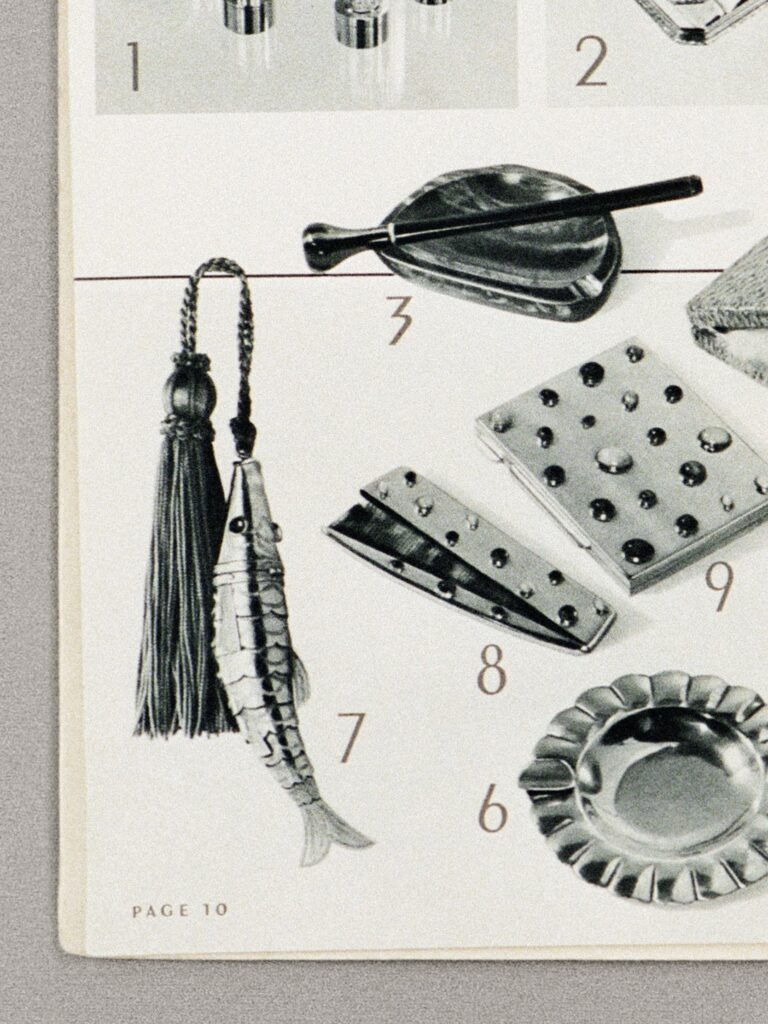
For brands, this dual function has become particularly valuable. Prototypes, sketches, advertising campaigns, photographs, correspondence, packaging, logos, manufacturing techniques and even internal working documents collectively document a company’s creative, commercial and cultural memory, repositioning the archive as one of the most powerful strategic tools available to contemporary brands. No longer confined to documenting the past, archives help companies assert authenticity, shape consumer narratives, inspire creative innovation and sustain relevance in markets defined by constant change. As fashion historian and consultant Olivier Saillard has observed, reflecting on the growing importance of heritage in luxury fashion, “History in the hands of these houses has become a valuable, marketable commodity to build upon, cultural capital that can’t be bought.” The archive, in other words, is no longer the end point of a brand’s history, but has become one of its most important starting points.
Courtesy of Dior
Courtesy of Dior
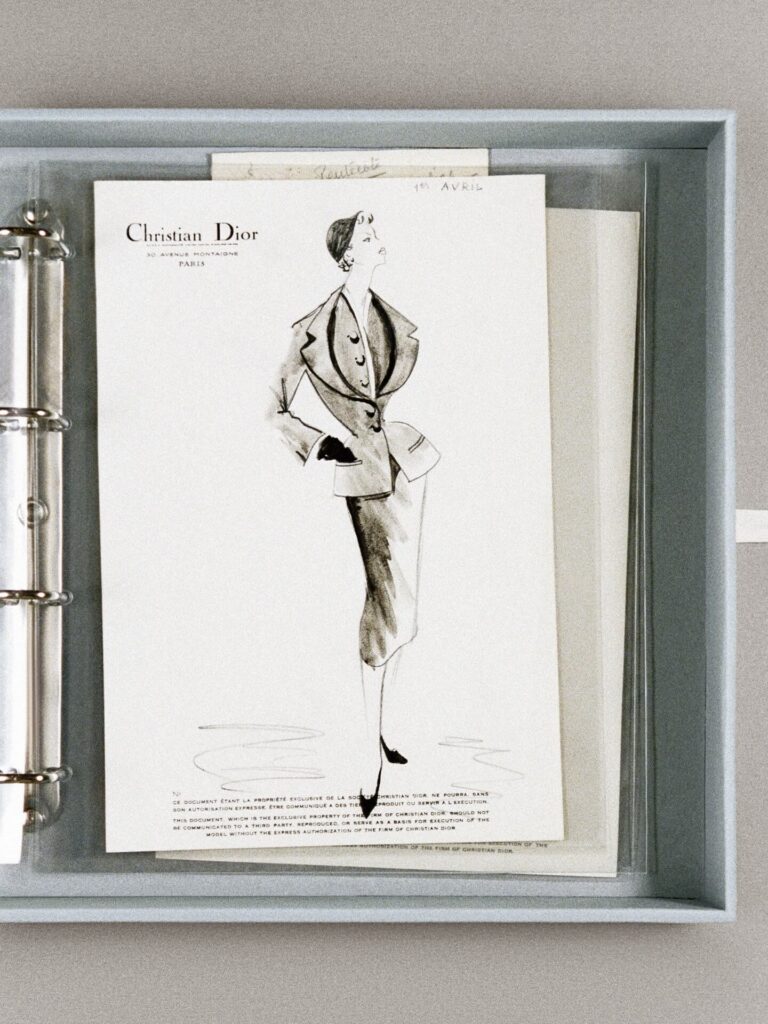
Courtesy of Dior
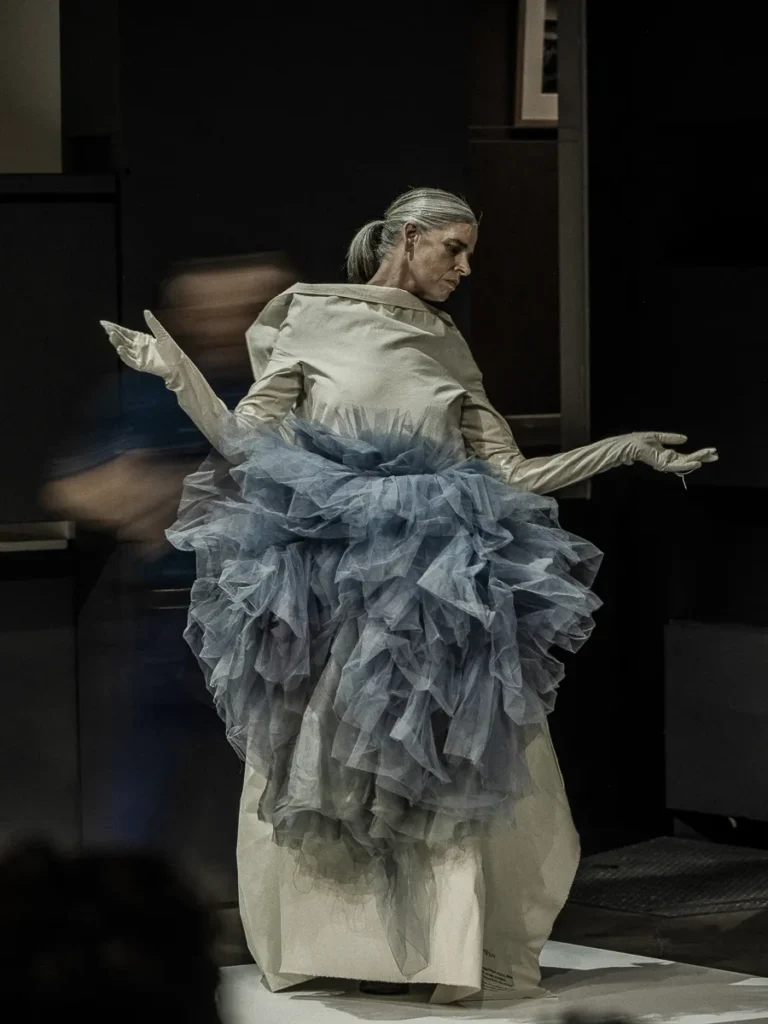
Photography by Ruediger Glatz
Curating heritage
While luxury fashion houses have become some of the most visible custodians of brand archives, the practice extends well beyond fashion. Automotive manufacturers preserve landmark vehicles, engineering drawings and design prototypes to trace decades of technical innovation. Furniture companies maintain archives of iconic products and material experiments, while consumer brands safeguard historic packaging, advertising campaigns and visual identities that chart changing consumer culture. Whether housed in climate-controlled vaults, dedicated museums or searchable digital databases, these collections have evolved into strategic resources. Institutions such as the IKEA Museum in Älmhult, Sweden, and the Home of Carlsberg in Copenhagen demonstrate how corporate archives can transcend their commercial origins, becoming places where industrial history, design and cultural heritage intersect.
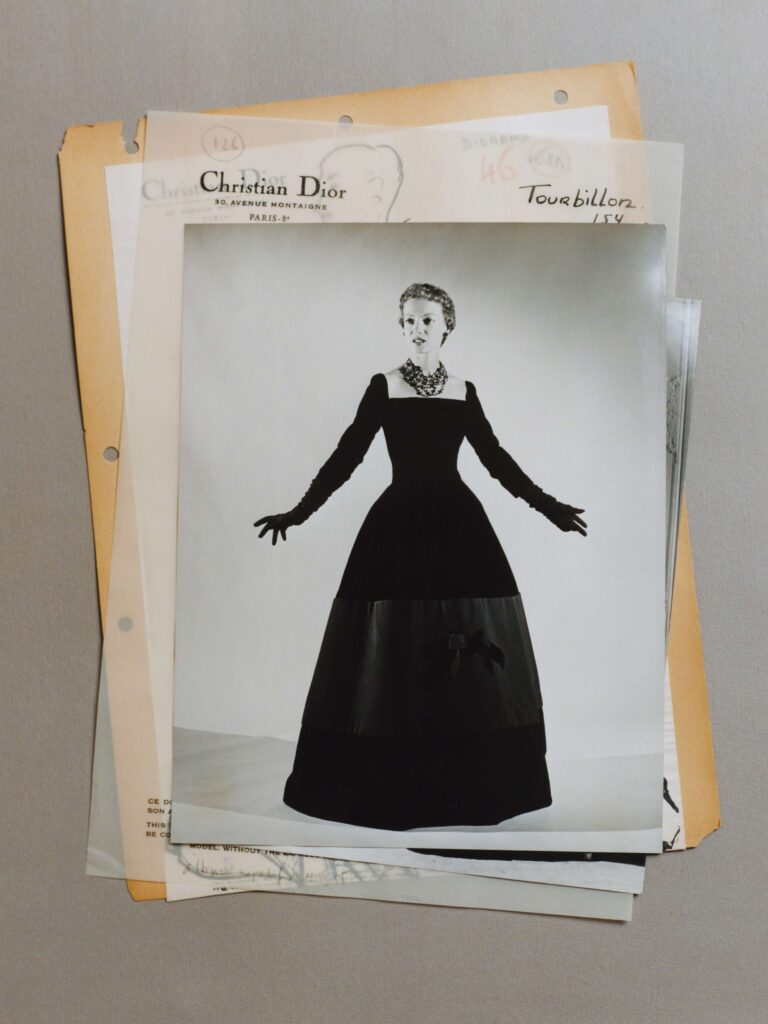
In fashion, archives have become particularly influential because the industry has undergone a profound transformation and has only recently started to understand its output as part of cultural history rather than seasonal commerce. Many luxury houses only began systematically preserving their collections in the late twentieth century. Even brands now synonymous with heritage, like Balenciaga and Dior, did not establish comprehensive archival practices until the 1980s. But the growing investment in archives reflects more than an appreciation for preservation. As modern consumers encounter brands within an environment saturated by images and algorithmic trends, authenticity has become one of marketing’s most frequently invoked concepts, and one of its most difficult to demonstrate.
And here’s how archives come into play; they offer something few contemporary branding exercises can replicate: evidence. Rather than asserting craftsmanship, continuity or cultural influence, they allow brands to demonstrate it through original objects, documented processes and decades of creative evolution. In doing so, the archive becomes proof that today’s decisions emerge from an ongoing conversation rather than from fleeting market demands.
This is especially significant as fashion grapples with the consequences of overproduction and disposability. As fast fashion has conditioned consumers to expect constant novelty, often detached from any lasting narrative, archives present an alternative model by preserving and contextualizing past work. When Alessandro Michele was appointed creative director of Valentino in March 2024, his first public statement emphasized the house’s “collective history” and its “cultural and symbolic heritage.” Before unveiling a single collection, he framed his creative project through the language of the archive.
Even relatively young brands have embraced this logic, rooted in the idea that building an archive has become a declaration of long-term intent, an acknowledgement that today’s products may become tomorrow’s cultural artifacts. In 2022, Paco Rabanne announced that it would sell NFTs based on some of the house’s most conceptual creations, directing proceeds toward rebuilding and expanding its archive. The initiative included acquiring archival garments, original sketches, image rights, audiovisual recordings and improving conservation facilities.
Digital technologies have further expanded the archive’s role: garments can now be scanned, catalogued and made accessible through immersive digital platforms, while provenance itself increasingly contributes to premium pricing. In the end, consumers are purchasing not only products but documented histories attached to those products.
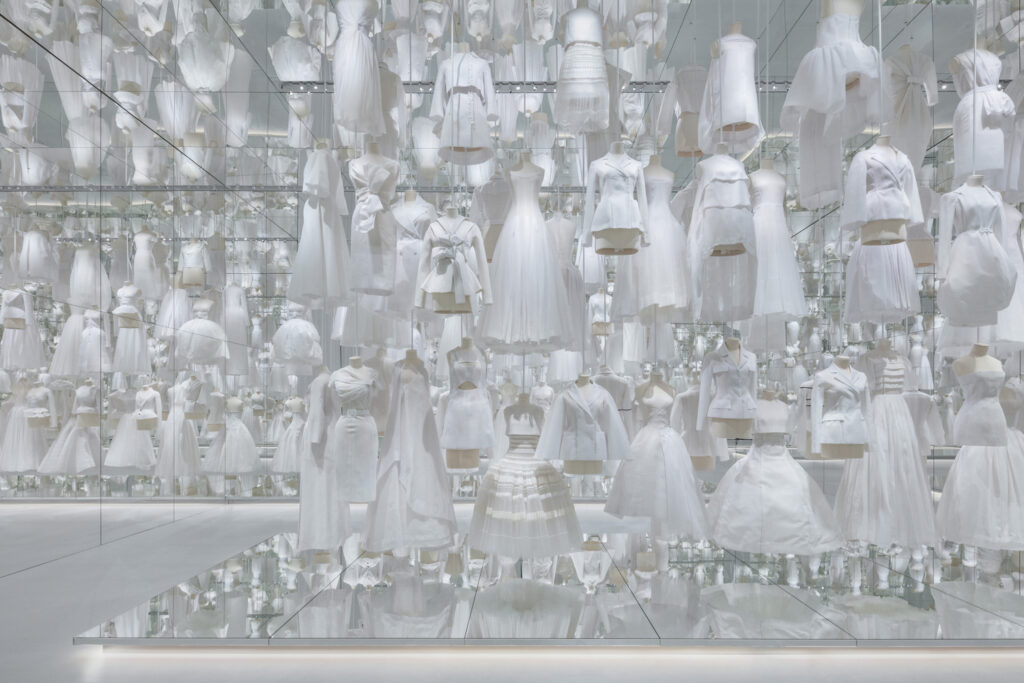
Photography by Kyungsub Shin
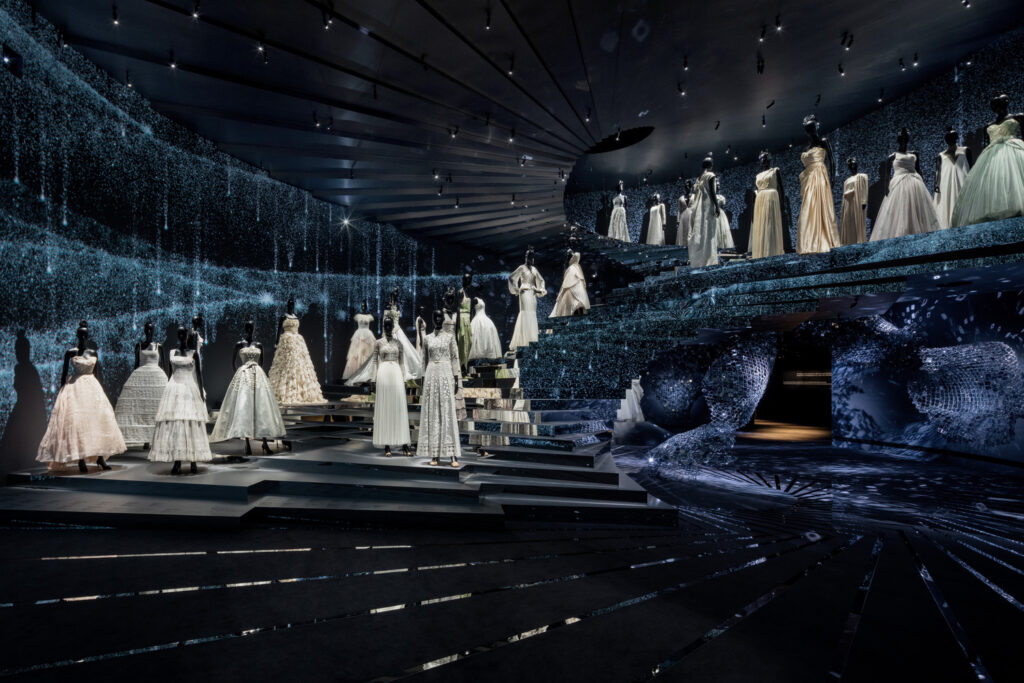
Photography by Kyungsub Shin
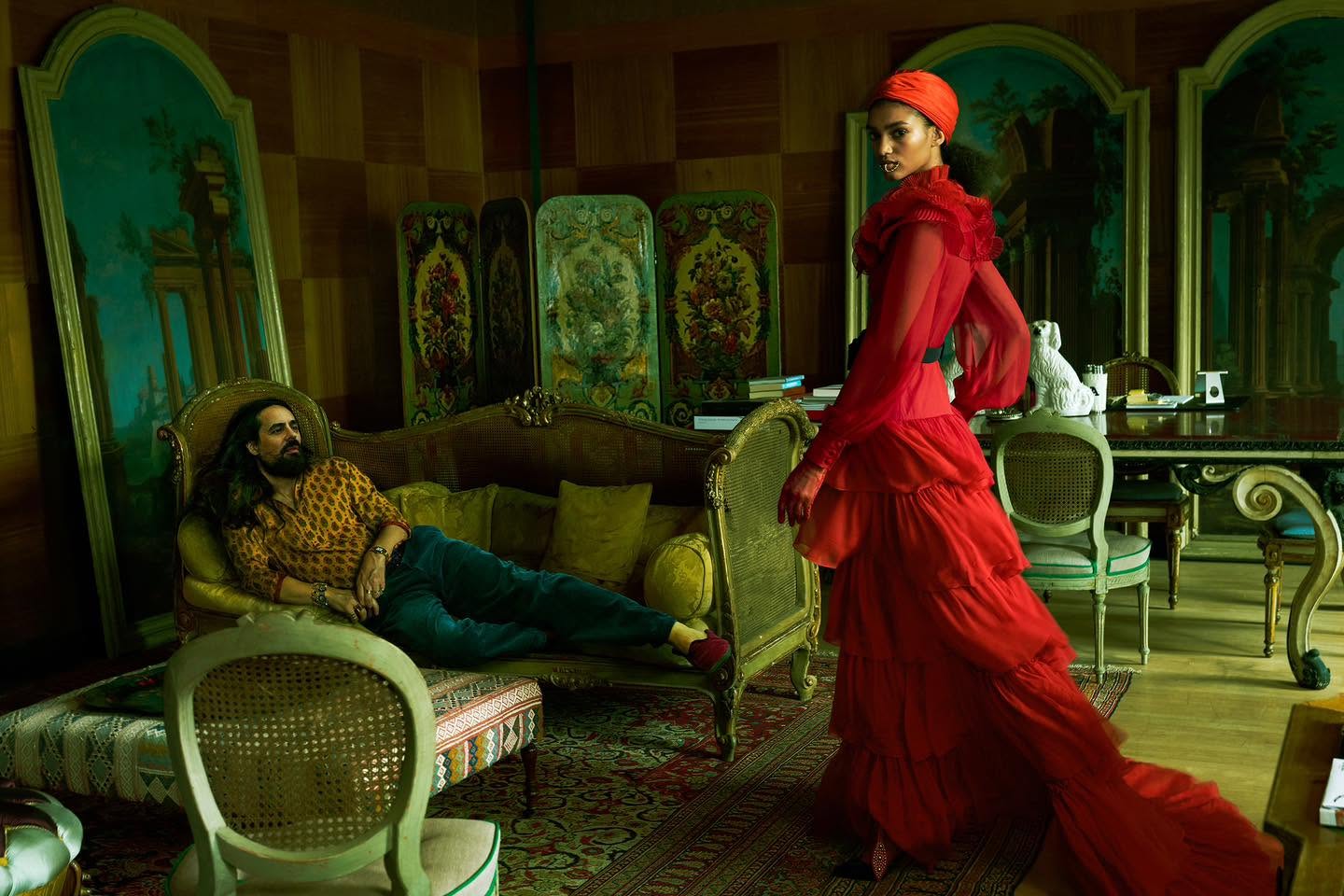
Luiza Perote, Valentino Headquarters, Rome, Italy, 2024
Photography by Annie Leibovitz
Living archives
One of the archive’s greatest strategic value lies in its ability to support innovation. Rather than functioning as a closed repository, many institutions now operate as active creative departments, their purpose extending beyond conservation toward continual activation across collections, editorial projects, exhibitions and educational initiatives.
Curatorial storytelling has become central to this evolution. Campaigns, books, documentaries and digital platforms draw connections between past innovations and present ambitions, creating emotional continuity while reinforcing institutional identity.
This approach also provides creative directors with a rich foundation for design: historical silhouettes, prints, tailoring techniques and visual codes are continually revisited and reworked into contemporary collections. Designs rooted in established brand vocabulary often resonate more strongly with existing audiences while remaining open to reinterpretation for new generations – and also reducing creative risk. For example, Alessandro Michele’s debut work for Valentino, Avant les Débuts, deliberately referenced Valentino Garavani’s advertising imagery from the 1960s, including photographs featuring Marisa Berenson wearing the celebrated White Collection. Rather than simply recreating historical visuals, Michele used them as conceptual foundations for new narratives, allowing the house’s visual memory to shape its contemporary identity.
Across luxury fashion, archival reissues have become a widely adopted strategy. Burberry, Prada, Celine and Coach have all revived iconic handbags originally developed decades earlier, adapting proportions, materials and functionality while preserving recognizable design signatures. These projects succeed because consumers seem to appreciate products situated within longer histories. In this way, the archive provides both creative inspiration and commercial reassurance.
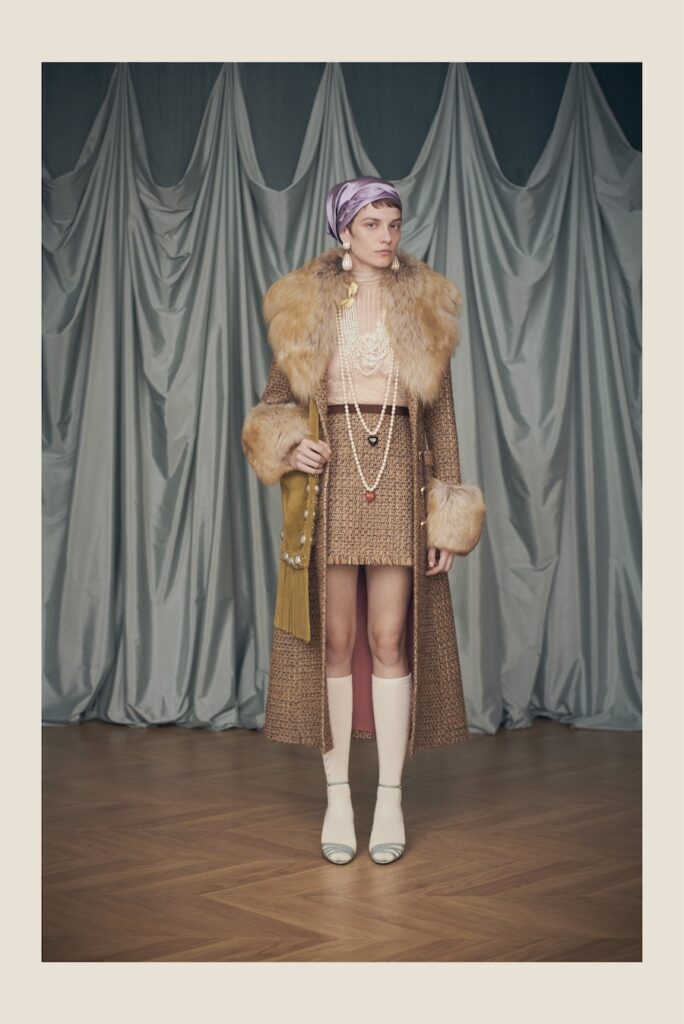
Courtesy of Valentino
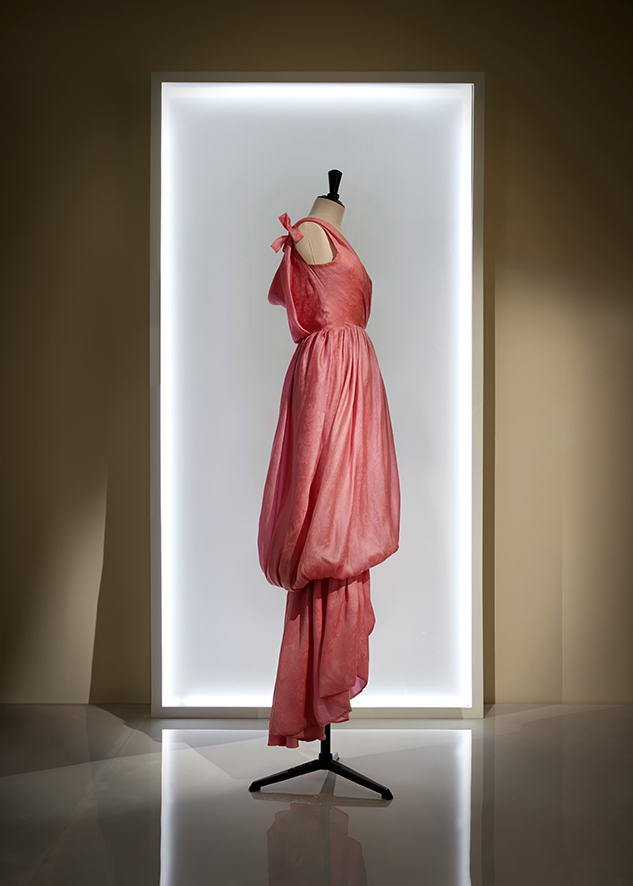
Curators: Raf Gomes, Gaspard de Masse, Gael Mamine – Teaser Documentation, SCAD Fash
Photography courtesy of SCAD

Courtesy of Valentino
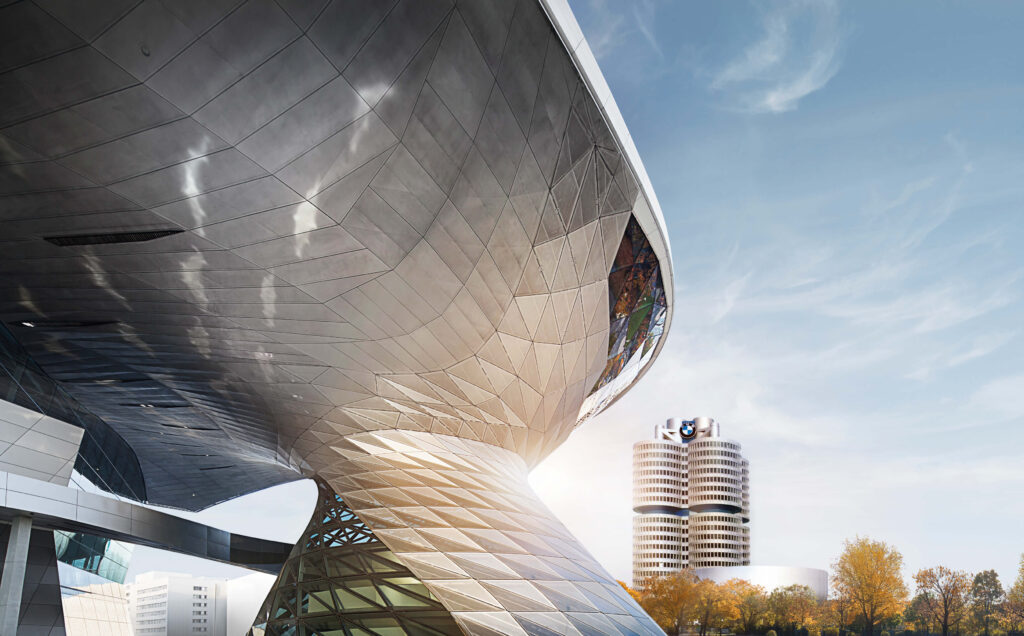
BMW Welt – BMW Group Corporate Headquarters (02/2016)
Creating cultural infrastructure
The most ambitious archives extend well beyond product development. By increasingly positioning themselves as cultural institutions, brands transform their archives into platforms for public engagement, inviting audiences to understand the ideas, technologies and social contexts that shaped their products.
The BMW Museum in Munich, for example, traces more than a century of automotive innovation through historic vehicles, engineering prototypes, concept cars and archival design material, presenting the company’s evolution alongside broader developments in mobility, technology and industrial design. The museum functions both as a celebration of the brand’s past and as a statement about its long-term vision, linking historical engineering achievements with contemporary conversations around sustainability and the future of transportation. A similar approach can be seen at the IKEA Museum, where everyday objects become a lens through which to examine changing patterns of domestic life. Alongside iconic furniture, prototypes, catalogues, advertising campaigns, and even a gallery of product failures, the museum documents the company’s design philosophy and its ambition to make well-designed home furnishings accessible to a broad public. Its archive reveals an ongoing process of experimentation, adaptation and response to shifting social needs.
Such institutions demonstrate how contemporary brand archives can serve multiple audiences at once: they preserve institutional memory for employees, provide research material for scholars and researchers, create meaningful experiences for visitors and reinforce brand identity for consumers. In this expanded role, they ultimately shape how companies participate in public discourse while ensuring that their histories remain active, accessible and relevant.
Courtesy of Gucci
Three models of the contemporary brand archive
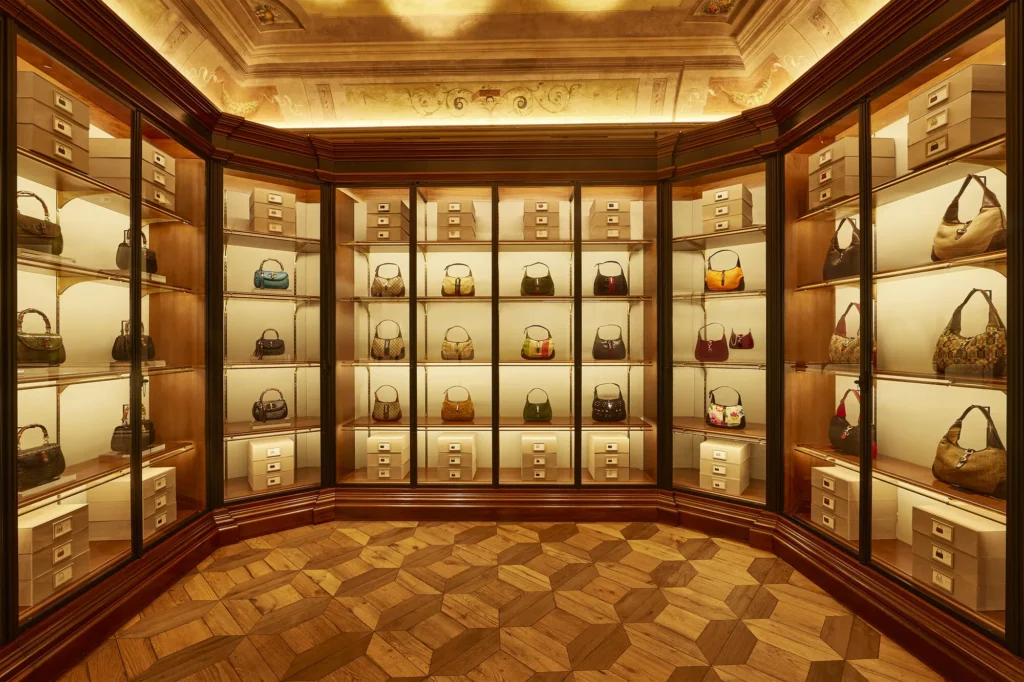
The Gucci Archive offers perhaps the clearest example of an archive functioning simultaneously as a heritage repository and a creative engine. Opened in Florence in 2021 as part of Gucci’s centenary celebrations under Alessandro Michele, the archive was conceived not simply as a historical collection but as an active working resource. It informs design development, supports internal education, safeguards craftsmanship and frames the house’s history as an ongoing cultural narrative rather than a completed one.
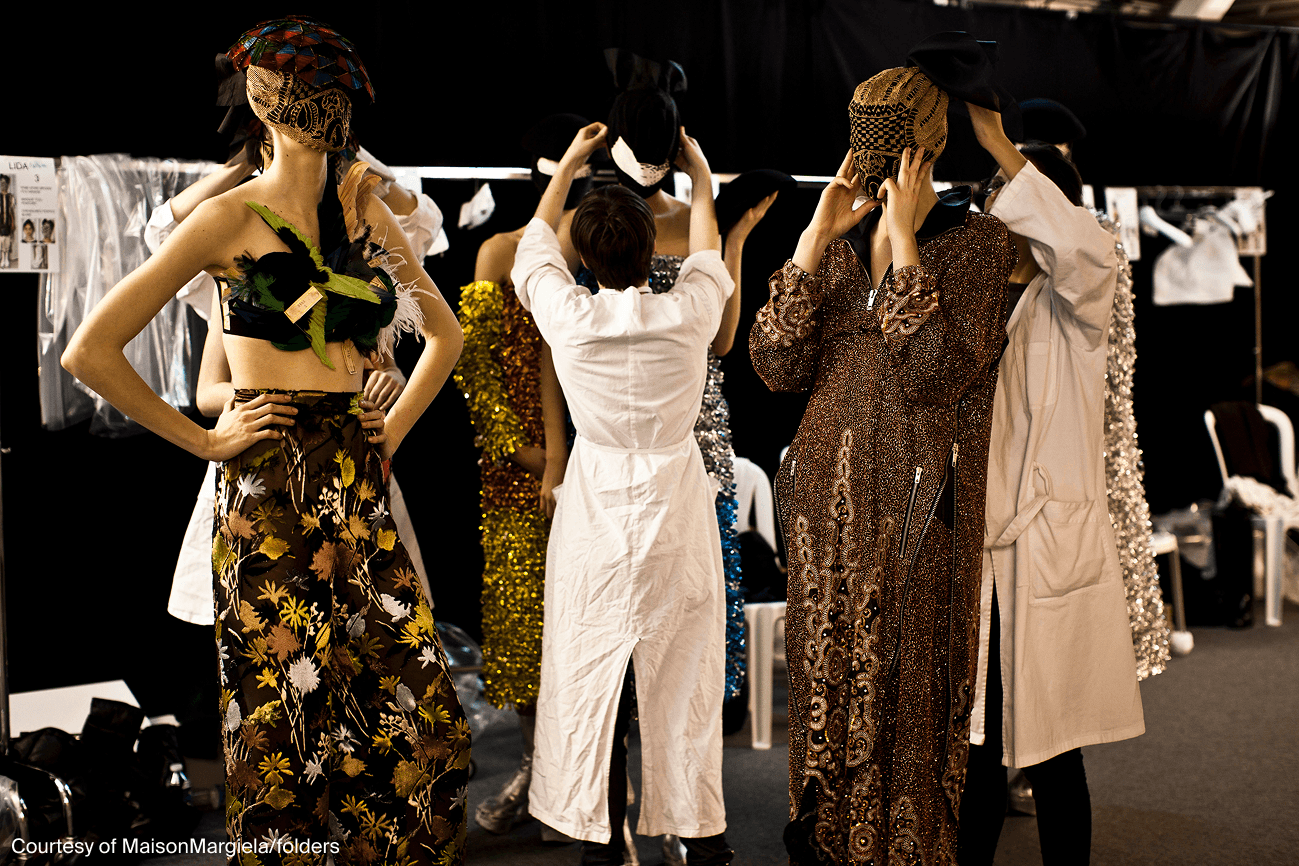
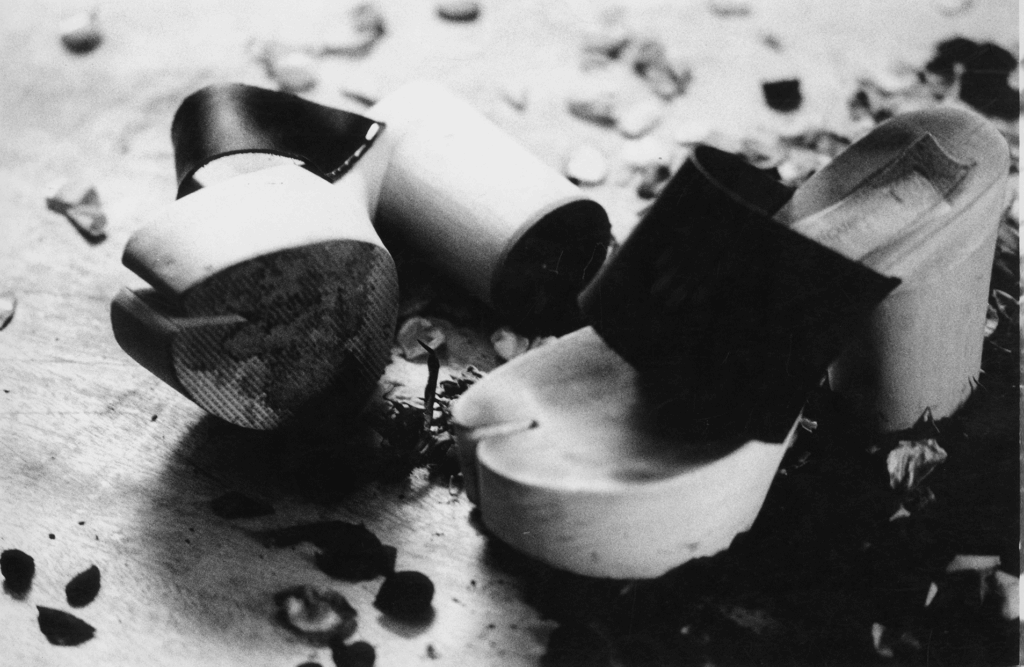
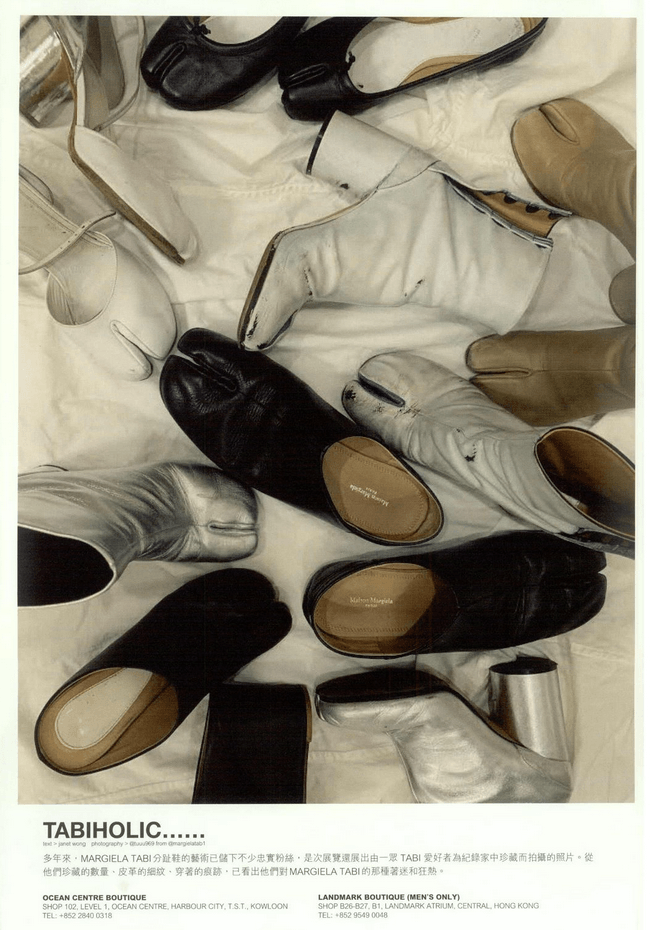
At the opposite—but equally relevant—end of the spectrum, is Maison Margiela’s approach. In 2026, the house opened its internal Dropbox folders containing press releases, project timelines, production documents and working materials accumulated over decades. The initiative focused on exposing process, making its archive a record of experimentation, collaboration and decision-making. Paired with exhibitions and public programming, it suggested that transparency can itself become a form of cultural engagement.
Emilio Pucci has developed yet another model. Although LVMH acquired the brand in 2021, ownership of the archive has remained with the Pucci family. Portions of the collection were transferred to Villa Granaiolo in Tuscany, creating a private museum alongside a creative space for students, artists and researchers. Meanwhile, Palazzo Pucci in Florence has evolved into a public-facing “living archive” that combines preservation with education, research and international academic collaboration. Looking ahead, the archive may also support authentication services for vintage Pucci pieces, demonstrating how historical stewardship can generate entirely new forms of value.
Each of these examples reflects different priorities, yet all reject the notion of the archive as passive storage. Instead, they position historical knowledge as an active contributor to creative production, institutional identity and cultural influence.

Anonymity, Artisanal, 2025. Look 19
Courtesy of MaisonMargiela/folders
Courtesy of MaisonMargiela/folders

Anonymity, Artisanal, 2025. Look 40 & 41
Courtesy of MaisonMargiela/folders
Archives for the future
In An Archive, a collection of reflections developed over more than a decade, Edmund de Waal considers what philosopher Roman Krznaric has described as modern society’s “obsession with the here and now,” a condition of “short-termism”. Against this backdrop, the archive emerges as a quiet counterpoint embodying a longer perspective.
For brands, preserving not only objects but also ideas, processes and institutional memory becomes a way of resisting this cycle. It creates an antidote to the logic of immediacy by encouraging investments whose full value may not become apparent for decades. In doing so, brand archives preserve possibilities, demonstrating that the future is built not only through invention but also through memory, and that what is remembered inevitably shapes what comes next.
Words: Benedetta Ricci