

Courtesy of Miu Miu
From the tailored glamour of Hollywood’s golden age to the subcultures of independent film, fashion has long existed in cinema, shaping how both characters and actors are read and remembered. Yet for most of cinema’s history, fashion remained an accessory to storytelling—part image, part wardrobe, part spectacle—rather than a participant in its production. Now fashion houses are becoming increasingly involved in funding, producing and shaping films, profoundly changing how movies are made.
This shift reflects a broader blurring of boundaries between cultural patronage and brand influence, and as labels ramp up their presence at the most prestigious film festival, they position themselves as cultural actors invested in the future of cinema itself.
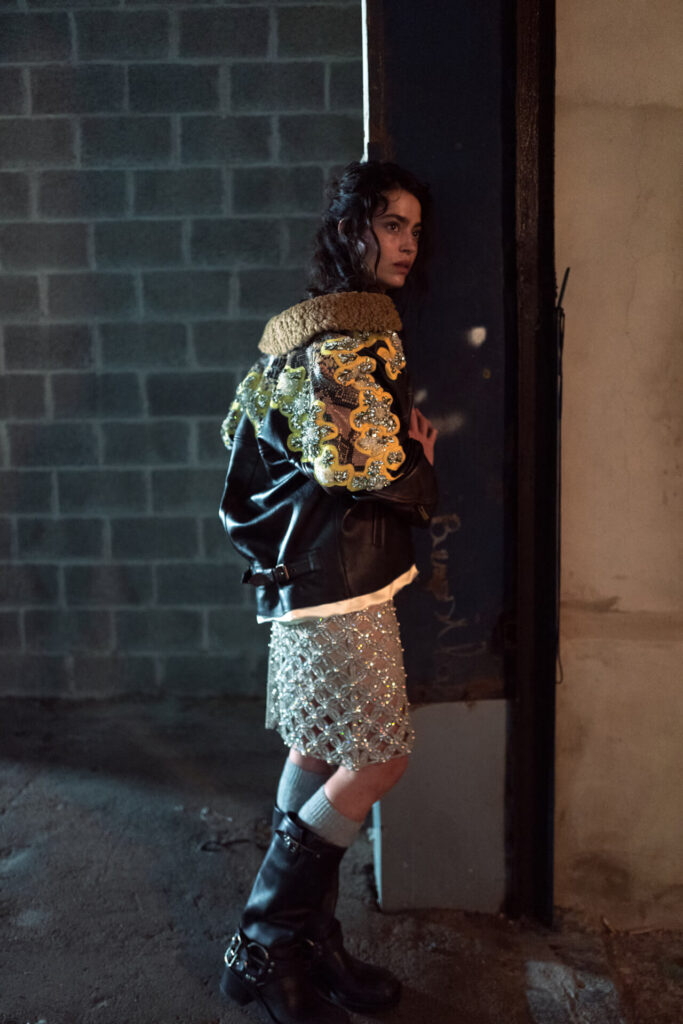
As early as 2011, Miu Miu launched Women’s Tales, a short-film series, now at its 31st episode, inviting female directors to celebrate femininity in the 21st century with a critical eye and complete creative freedom, and Miu Miu’s clothing appearing as a subtle counterpoint to the narrative drama throughout each episode. Chanel followed in 2015 with Through Her Lens, a three-day program in partnership with the Tribeca Festival to support emerging women filmmakers. In retrospect, these seminal initiatives marked the beginning of the structural shift from visibility to narrative participation that has since made cinema a long-term platform for fashion’s cultural ambitions. And while this marks the emergence of fashion houses as cultural institutions, it also inevitably raises new questions about creative autonomy, authorship and how culture itself is financed and circulated.

Courtesy of Miu Miu
Courtesy of Miu Miu
Courtesy of Miu Miu
Cinema as brand infrastructure
Unlike seasonal campaigns or social-media activations, film operates on a different temporal register, potentially circulating across decades, platforms and cultures, and accumulating meaning well after its initial release. “Brands currently invest more than ever in Hollywood but their budgets have been going towards red-carpet events and product placement,” says Lauren Sherman, the Los Angeles-based fashion editor of news start-up Puck in a Monocle interview. “The thinking is, ‘Why not make the films ourselves?’”
Of course, this is a game played on long-term reputational capital instead of immediate commercial return. Association with film confers cultural legitimacy in itself, but by participating directly in storytelling, brands can embed themselves within narratives that shape taste.
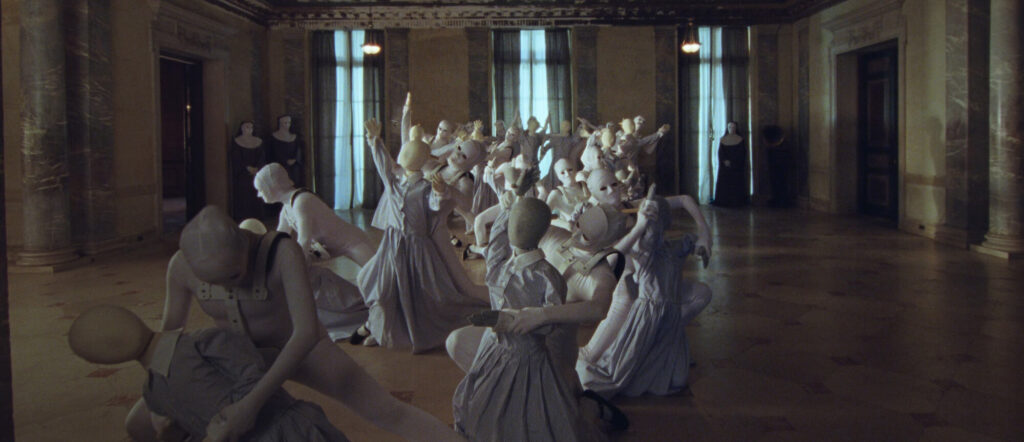
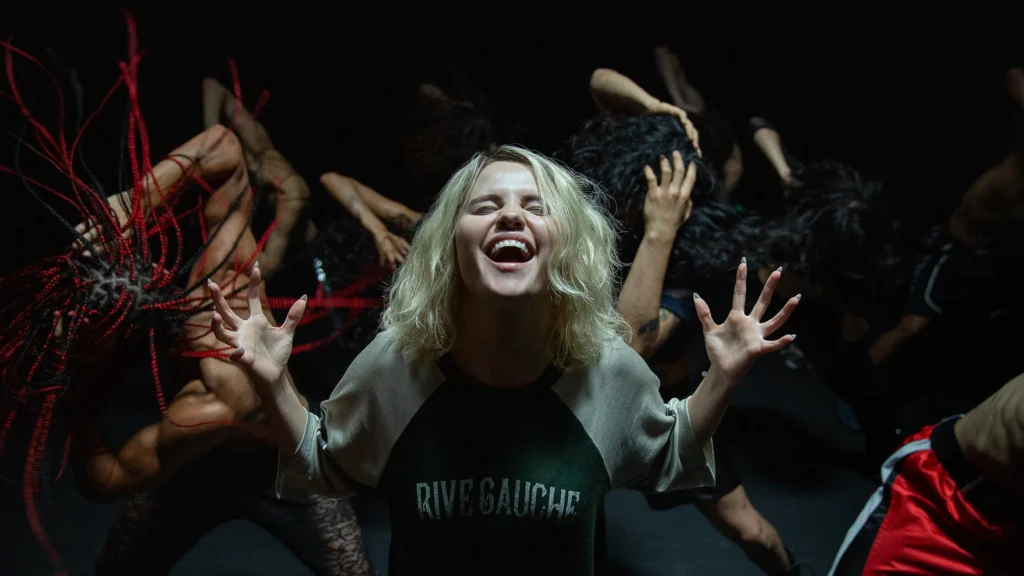
It’s not surprising then that the same luxury labels that invested in art foundations, museums and archives are now looking at cinema. In late 2023, François-Henri Pinault, the owner of French luxury group Kering, took a majority stake in Creative Artists Agency (CAA) for $7bn (€6.6bn), gaining access to one of Hollywood’s most powerful networks of talent. That same year, Saint Laurent Productions became the first fully fledged fashion-backed subsidiary dedicated exclusively to filmmaking. Structured as a formal film division rather than a marketing arm, it signaled long-term cultural intent. The company’s first feature-length projects debuted at the Cannes Film Festival in 2024, including David Cronenberg’s The Shrouds, Paolo Sorrentino’s Parthenope, Jacques Audiard’s Emilia Pérez and Jim Jarmusch’s Father Mother Sister Brother, overall positioning Saint Laurent within serious cinematic discourse. Similar investments continue to emerge, from LVMH’s media arm, 22 Montaigne Entertainment, to the creation of the Fondazione Prada Film Fund in 2025, which aims to support development, production and post-production of independent films. “Cinema is for us a laboratory for new ideas and a space of cultural education. For this reason, we have decided to actively contribute to the realisation of new works and to the support of auteur cinema,” said Miuccia Prada.
Then again, luxury megabrands are no strangers to initiatives designed to generate cultural capital and prestige beyond the volatility of trends, yet compared with art foundations or museums, cinema offers a far broader public reach. A film screened at Cannes, Venice or Berlin engages both elite cultural circuits and global audiences, gaining symbolic permanence and a kind of cross-cultural soft power.
Another characteristic of the shift from product placement to narrative involvement, as described by Sherman, is the opportunity for brands to influence tone, setting and thematic atmosphere. On the one hand, this reflects a broader tendency in contemporary marketing to align brands with values and a distinctive aura (film, with its capacity for emotional weight and cultural resonance, offers an ideal vehicle for such strategy); on the other, this enhances creativity, often resulting in a blurring of roles and creating more porous boundaries between cultural production and advertising.
This creative turn is evident in the way designers collaborate with directors to translate collections into cinematic worlds. The Tiger, a short film co-directed by Spike Jonze and Halina Reijn and presented at Milan Fashion Week, exemplifies this approach. Starring Keke Palmer, Edward Norton and Kendall Jenner, and costumed entirely in Gucci’s Spring 2026 collection, the film presented an atmosphere, a narrative extension of the brand’s sensibility. As another example, when Wes Anderson was commissioned to direct a film commercial to celebrate the centenary of Montblanc’s Meisterstück pen, the American filmmaker extended the project beyond the screen by designing a pen himself.
Photography courtesy of Page 114, Why not Productions, Pathé Films, and France 2 Cinéma
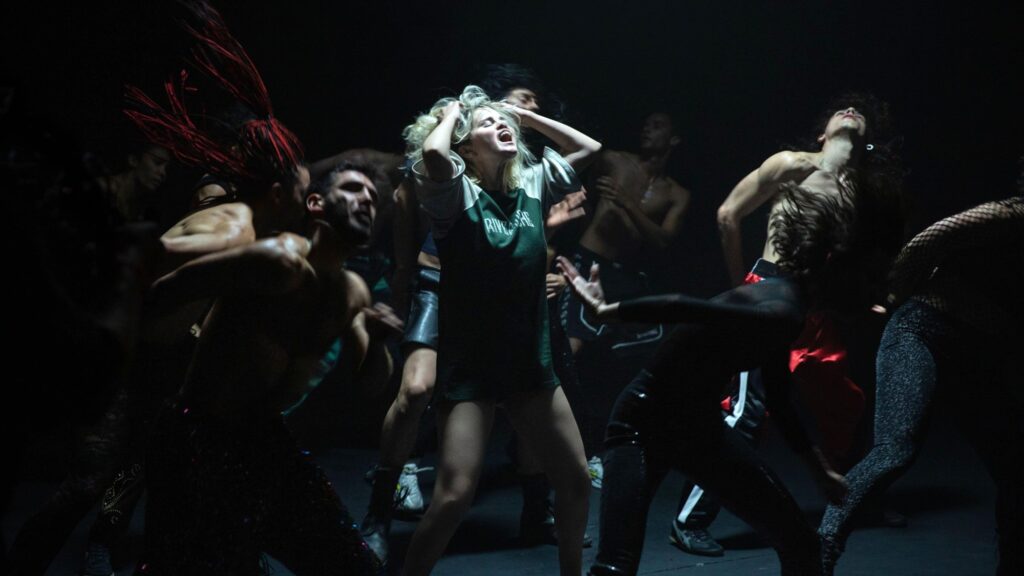
Photography courtesy of Page 114, Why not Productions, Pathé Films, and France 2 Cinéma

Photography by Gianni Fiorito
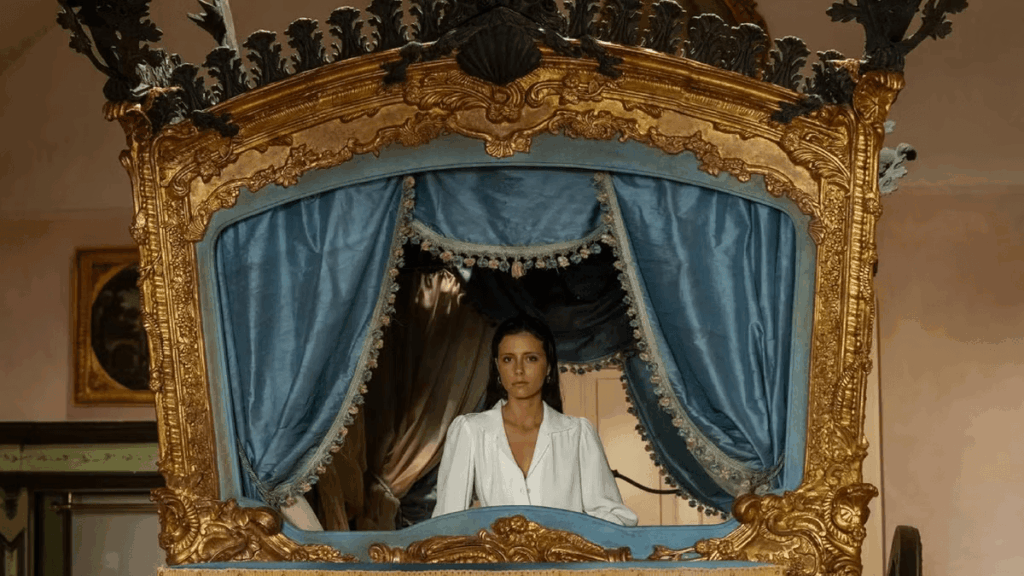
Courtesy of A24
The question of creative control
As brand-funded and brand-produced films proliferate, questions around authorship and artistic autonomy inevitably arise. Who holds final creative authority? How transparent is brand involvement? Where does collaboration end and influence begin?
Yes, for filmmakers, fashion backing can provide resources and freedom of scale that traditional funding models often cannot; yet, it can also introduce subtle constraints. Even in the absence of explicit mandates, the presence of a brand can shape aesthetic choices, narrative boundaries, casting decisions, and so on.
The tension might not always be visible onscreen, but with private capital assuming a larger role in cultural production, transparency around funding and authorship becomes increasingly important. Aside from ensuring that films do not collapse into glorified advertising there is also the risk of a convergence of taste shaped by the priorities of luxury capital. This is the reason why transparency and critical oversight from festivals, institutions and audiences alike are to become ever more important.

Eloy Pohu (Enzo), left, and Maksym Slivinskyi (Vlad) in Enzo
Photography courtesy of Les Films de Pierre
Fashion in the cultural circuit
Film also embeds fashion brands within powerful cultural networks. International festivals such as Cannes, Venice and Berlin function as legitimizing spaces to seek critical recognition, stages where brands position themselves alongside studios, patrons and cultural institutions. Their influence extends beyond aesthetics into canon formation, shaping which stories are funded, screened and remembered, and therefore participating in culture at a structural level.
At Cannes 2025, Ami Paris sponsored Critics’ Week, a festival running parallel to Cannes, and co-produced Enzo, a film by Laurent Cantet directed by Robin Campillo, which screened at the opening of Directors’ Fortnight. Ami’s founder and creative director Alexandre Mattiussi, who also awarded the Ami Paris Grand Prize, has described his multiple roles as part of a broader engagement with cinema: “I have had several hats lately: I co-produced films both with Ami and on my own; I designed costumes; I have actor friends. We are working on video clips to be released on social media this summer. Being the main sponsor of Critics’ Week is the right place for us.”
The payoff is reputational capital, credibility earned through sustained cultural participation.
The future of product placement
With all this in mind, does that mean the era of immediate commercial opportunity is over? Hardly so. Film, now more than ever—amplified by social media—offers brands a powerful way to sell clothes. That is why so many fashion houses still try to ensure their designs make it to the big screen.
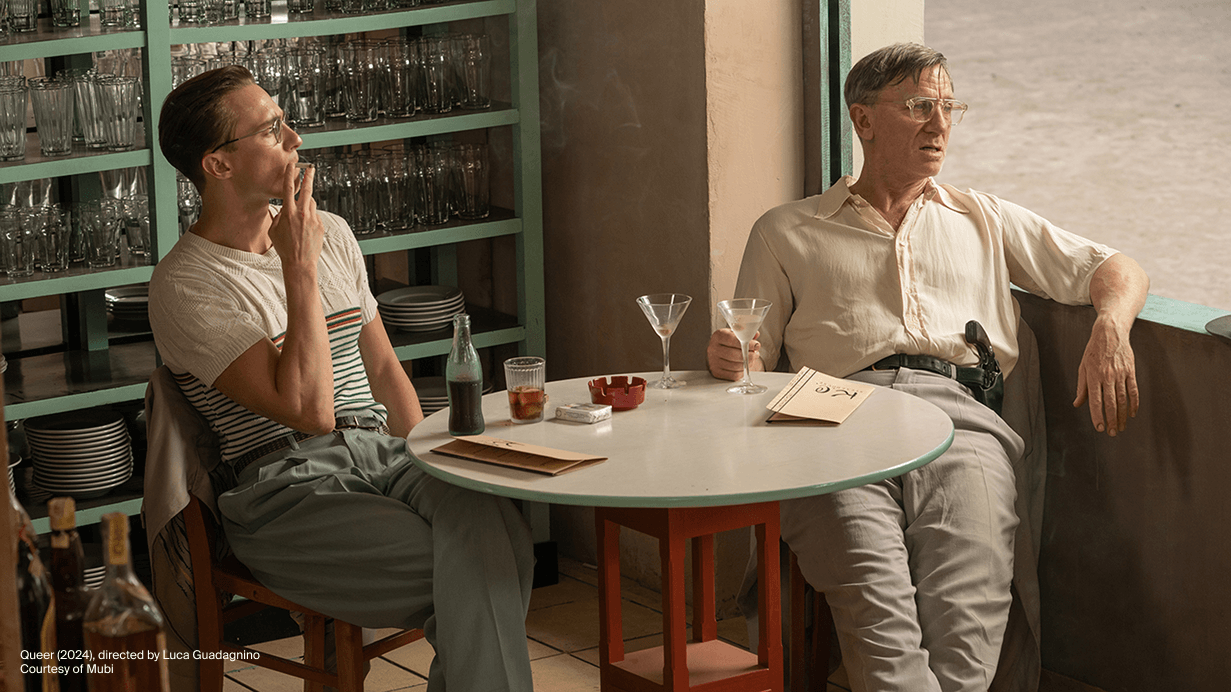
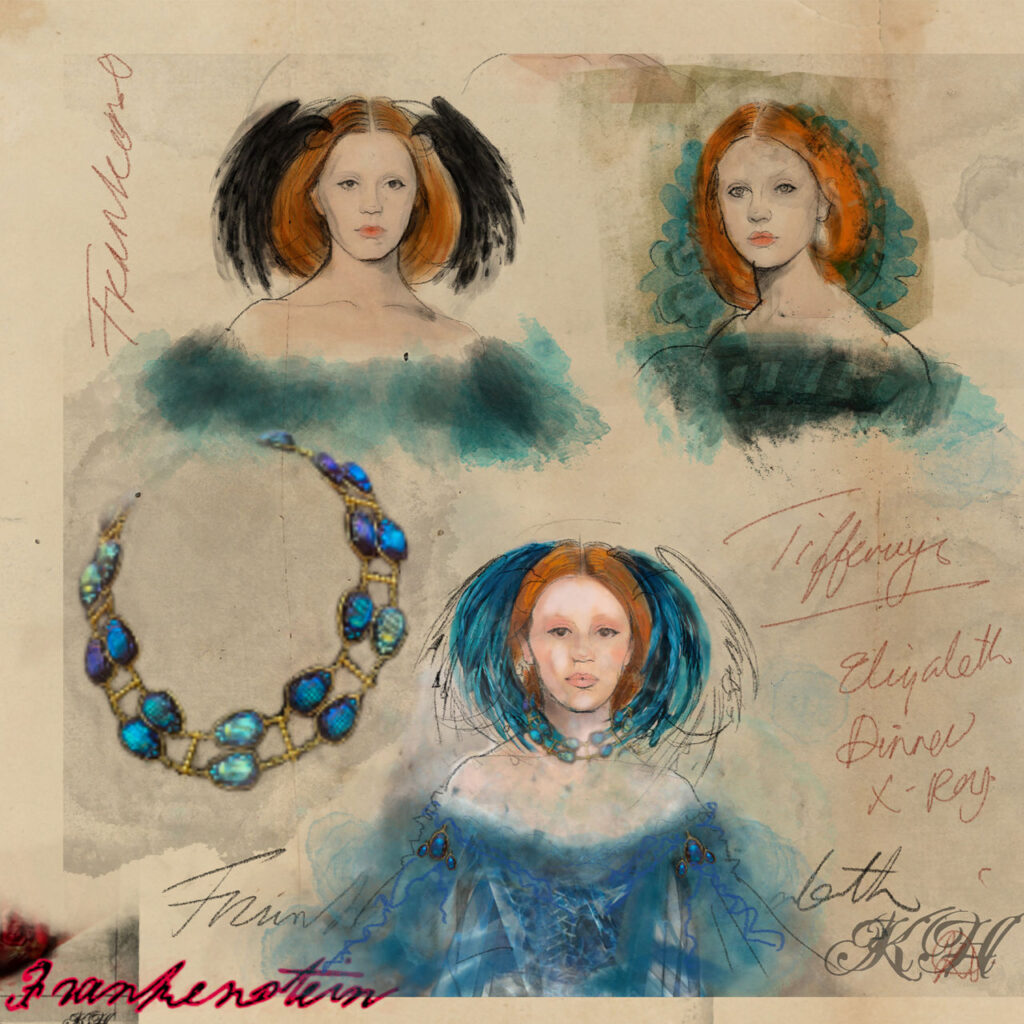
For Luca Guadagnino’s Queer, Jonathan Anderson, creative director of Loewe and founder of JW Anderson, designed costumes for every character, later releasing a capsule collection. This marked his second collaboration with Guadagnino after Challengers, following which Loewe sold the now widely circulated “I Told Ya” T-shirt worn by the actors on screen, translating cinematic symbolism into product after cultural meaning had been established. Further demonstrating the possibilities of product placement, Tiffany & Co.’s partnership with Netflix on Guillermo del Toro’s Frankenstein saw actress Mia Goth wearing archival, custom and couture jewels from the maison throughout the film. Regarding products being woven into character and world-building rather than simple display, Professor Serdari of NYU Stern notes that feature films could help fashion produce “creative pieces that can showcase product, engage with the consumer emotionally and intellectually, and reinforce the positioning of the brand as part of this luxury set.”
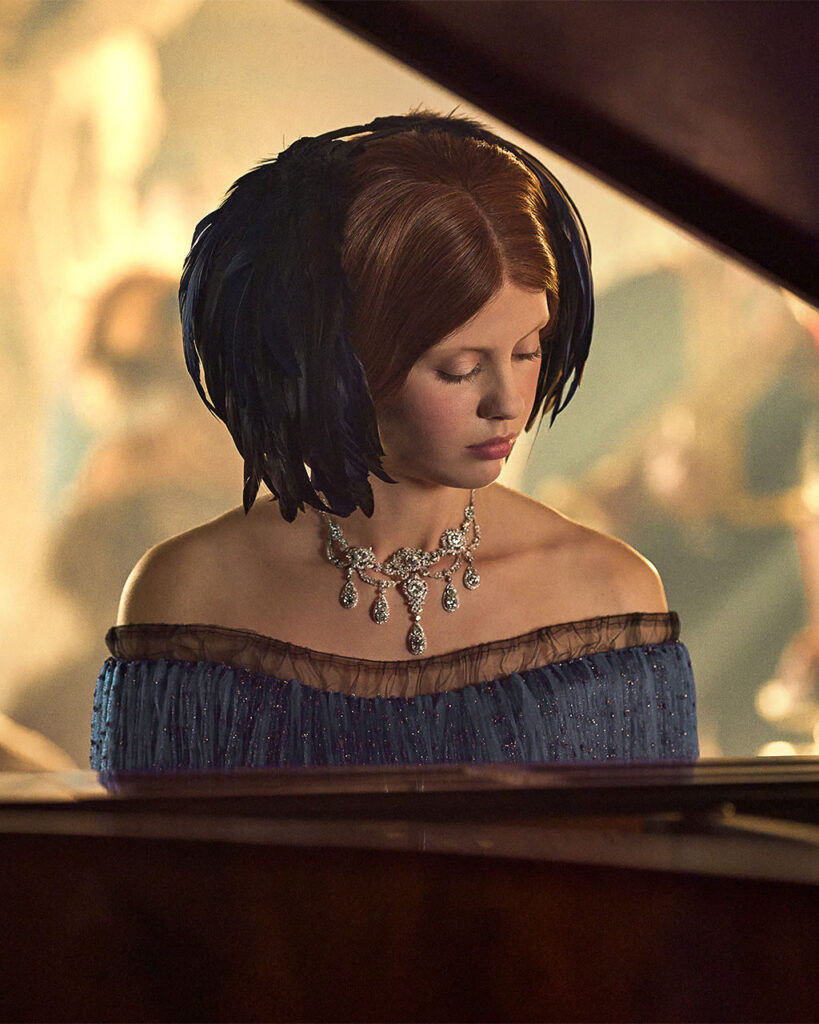
Photography by Ken Woroner
Courtesy of Netflix © 2025
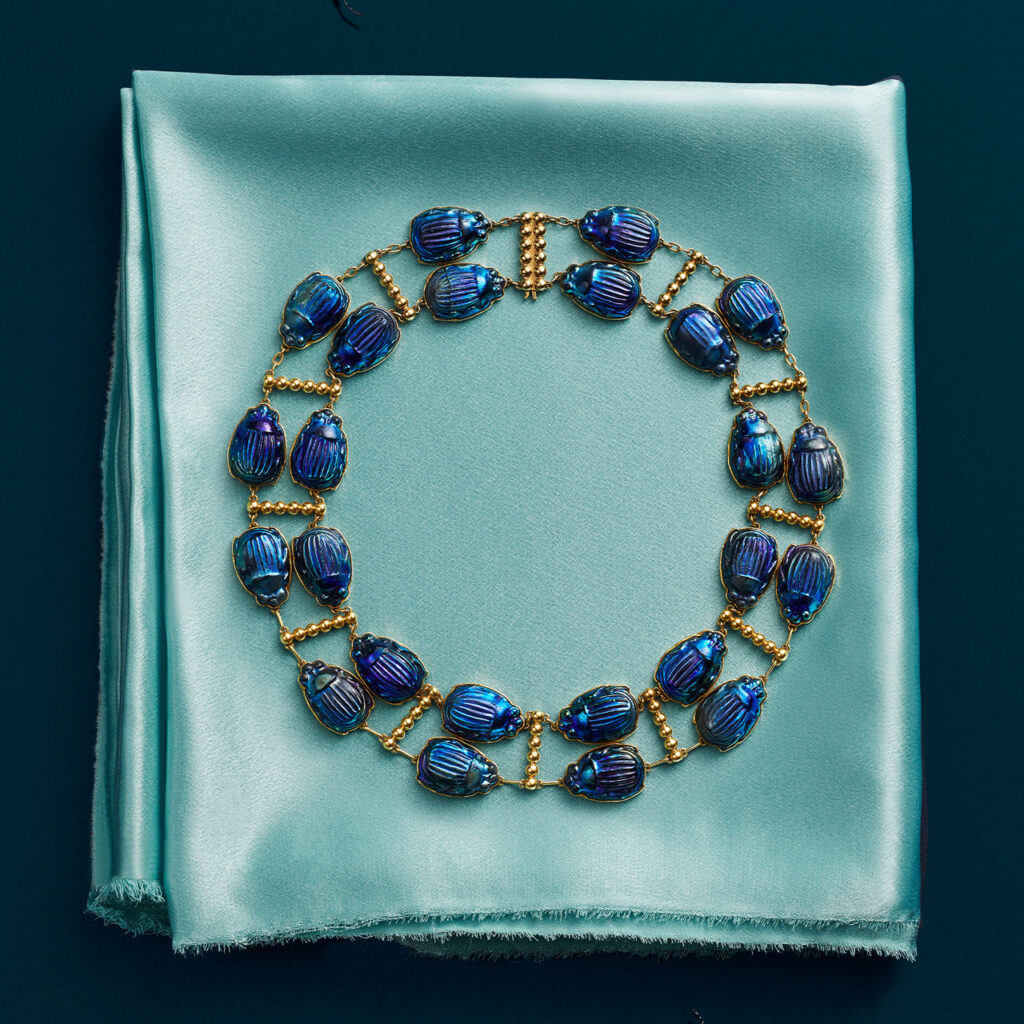
Beyond branding
These developments point to a structural reconfiguration of fashion’s relationship with cinema, one in which the former is helping to shape the very conditions under which films are made. If, on the one hand, this represents a genuine investment in culture and storytelling at a moment when public funding is fragile and traditional studios are increasingly risk-averse, on the other, it can be read as a sophisticated form of branding operating under the guise of authorship and patronage.
The reality is that the spectrum of fashion’s engagement in the world of cinema is expanding, spanning everything from overtly commercial work to forms of patronage that resemble public funding—and there’s room for an even tighter intertwinement. The question, then, is how responsibly these brands will occupy that space while safeguarding plurality, transparency and creative autonomy.
Words: Benedetta Ricci