
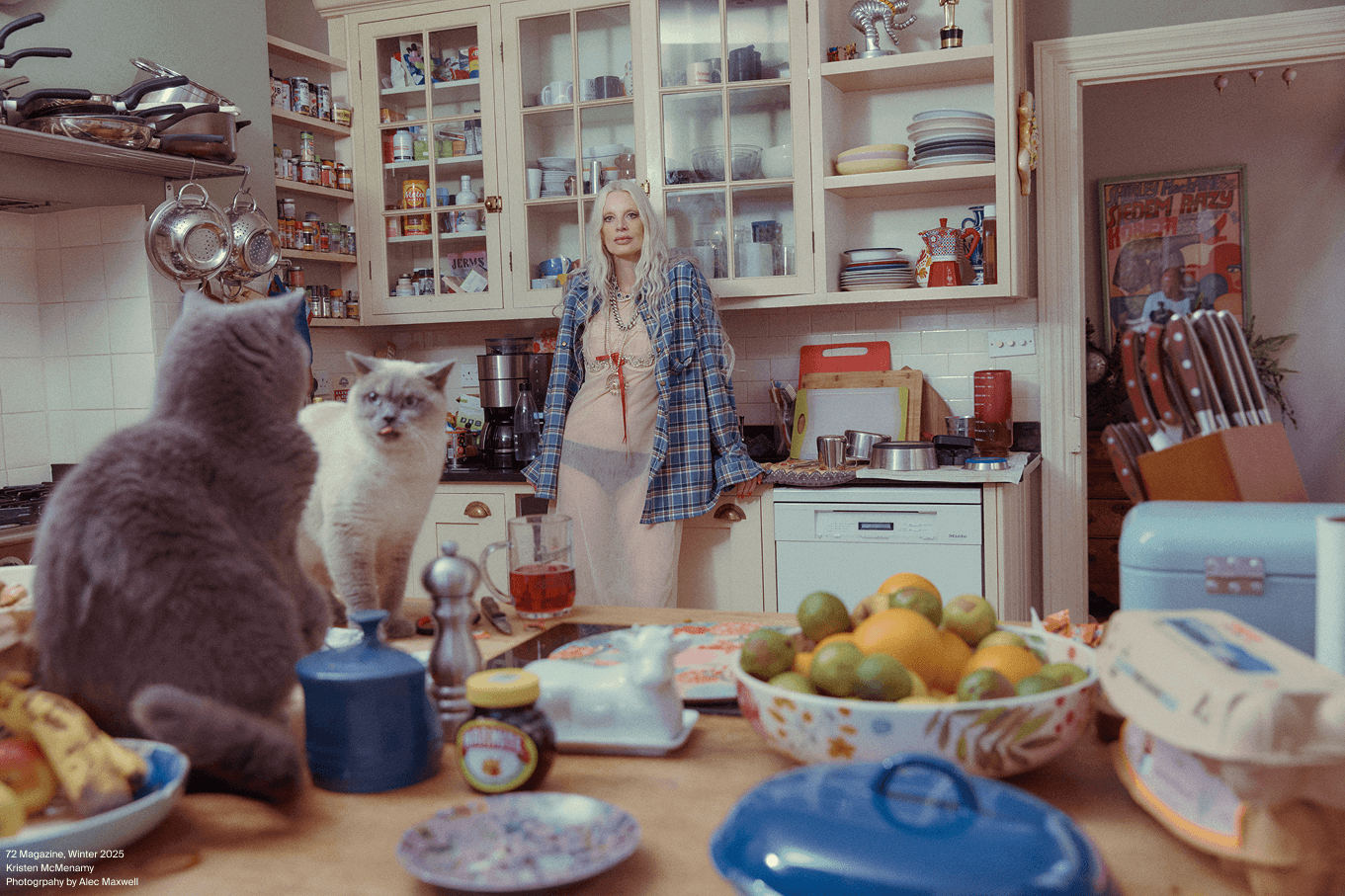
Courtesy of Netflix
The idea that “print is dead” has been loosely accepted over the past decades, corroborated by the assumption that digital media have inevitably taken over. Yet, while the magazine publishing industry’s business model has undoubtedly been weakened by platforms competing for readers’ time and attention, as well as by digital tools promising scale and immediacy, print publications are far from relics of the past. On the contrary, print’s resurgence has been quiet but persistent, and brands have taken notice, investing in magazines, zines, collectible books and other printed objects. But why dedicate resources to a medium that is slow, costly, less trackable and reaches far fewer people? The answer lies primarily in cultural credibility, connected to the symbolic and cultural weight that paper still carries and screens struggle to replicate. If anything, the simple, page flipping user interface of a print publication has taken on an extra level of value specifically because it does not involve a screen. Of course, this doesn’t mean forgoing digital, but rather complementing it with a medium that reinforces subcultural identity, an instrument through which brands can actively participate in cultural production.
A counterweight to digital saturation
After several years of experimentation with digital activations, the momentum has returned offline. In our era of short-form videos and endless scroll, print presents itself as a safe refuge to digital fatigue and content churn. Where digital engagement can feel fleeting, even met with skepticism, creating a tangible product that offers a snapshot of a moment in time and lives on from the cycle of a weekly trend allows for more meaningful connections. Starting in the publishing industry, titles are reconfirming their commitment to print or launching print editions for the first time. Digital natives like The Cut have introduced print versions; Nylon returned to print in 2024 after going digital-only in 2017; i-D reappeared on newsstands following its parent company Vice’s bankruptcy in 2023, just to mention a few. Luxury and independent titles alike are flourishing, driven by renewed interest in objects that are tactile and collectible.
Luxury brands’ affinity for print is hardly new, as the medium encapsulates the sought-after values of quality, craft and storytelling. What’s more, print communicates deliberation and taste. As Sarah Harris, former deputy editor and fashion features director at British Vogue and current editorial director of 72 Magazine, puts it: “Digital has, in many ways, forced print to define what only print can do. Print’s value is no longer about being fast; it’s about being meaningful and intentional. What you put on the page has to matter—it has to be worth the paper. It’s also about being collectible, not disposable.”
This resurgence coincides with a broader cultural revaluation of analog media and the rise, driven by Gen Z, of ‘unplugging’ as the latest status symbol, to the point where ‘analog wellness’ was the top trend for 2025 according to a report by the Global Wellness Summit. This encompasses anything from the comeback of landline telephones to the rawness of pixelated photos and the imperfections of hand-drawn illustration—see for example Hermès’s celebrated website redesign by hand of French artist Linda Merad—and is leading to a growing resistance to algorithmic homogenization. In other words, as AI slop floods digital feeds, anything that foregrounds the human touch is increasingly becoming associated with luxury, and printed matter (unbound by SEO) has emerged as an antidote to digital burnout.
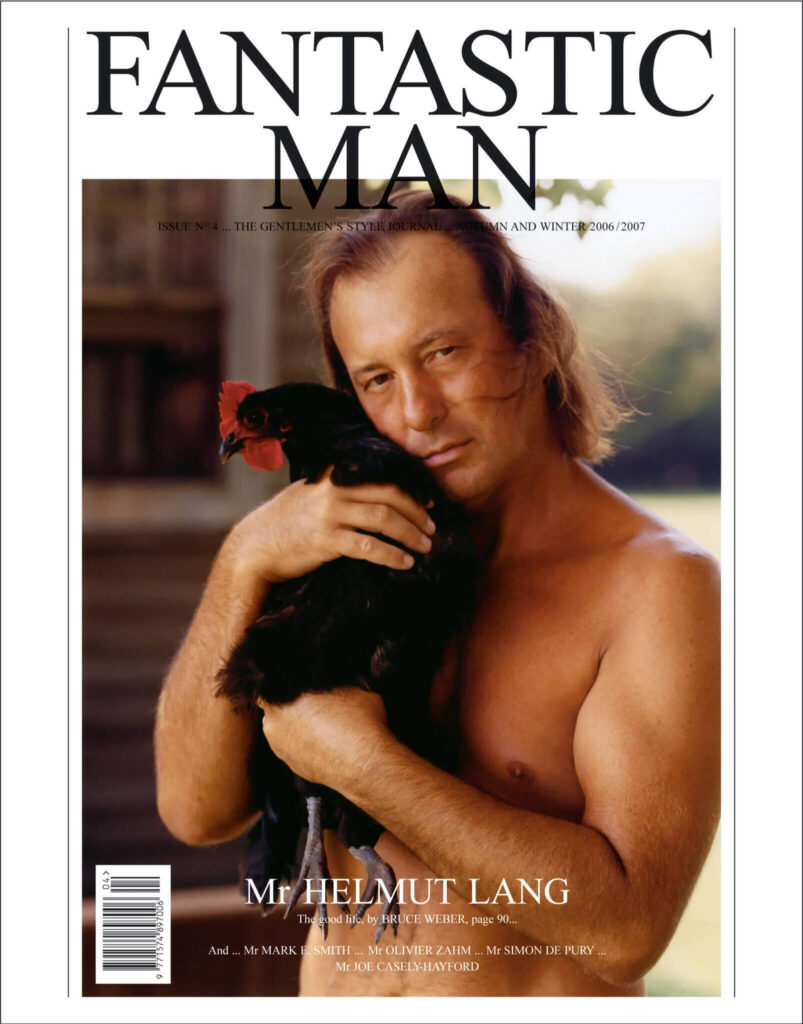
Helmut Lang
Photography by Bruce Weber
From advertising to cultural production and the economics of limited reach
This cultural shift has allowed brands to see beyond print as a channel for advertising but as a medium of dialogue, an opportunity to participate meaningfully in culture. As Harris explains about 72 Magazine: “We want to work with brands in a more holistic, meaningful way, forming genuine partnerships—whether that’s creating a zine for them or co-hosting an event around something special they have going on. And if, as part of a project, they want us to run an eight-page ad spread as part of this bigger idea, of course we can do that. But simply selling a single-page ad is not something they’re interested in.”
Editorial projects can take many forms: from brand-produced magazines, such as Chanel’s Arts & Culture Magazine, launched in 2025, to zines like the one Talia Byre released to accompany her Fall/Winter 2025 collection; from co-created publications with independent print titles to book-like editorial ventures. Regardless of format, the core of each project lies in coherence and value alignment. Joshua Glass, founder and editor-in-chief of Family Style and Takeaway, emphasizes: “Integrity—not just for commercial purposes—is incredibly important to me and to us as a whole. We discuss teams, concepts, and briefs in depth to ensure that what we’re creating is not only beautiful and interesting, but also good.”
Collaboration with editors, writers and photographers, but also art direction, typography, even paper choice, every element tells a story, one that must be coherent with the brand’s identity and values. This consideration becomes even more crucial when targeting specific audiences. Independent magazines in particular can rely on loyal communities of readers who identify with their codes and style. Print allows both established and emerging brands to reach audiences defined by taste, identity and shared values by privileging curation and quality over reach. Subcultural capital—that is, credibility within specific communities—cannot be bought through targeting alone, especially because, unlike algorithmic content, print publications have to be actively chosen.
Distribution strategy also plays a role, with brands often leveraging bookstores, galleries, events and direct-to-community channels to reach the right audience. All this is possible by taking print’s most challenging intrinsic qualities and turning them on their head: scarcity, tied to the inevitably limited distribution, creates exclusivity, while permanence fosters trust and collectibility. In this model, influence is measured not in clicks but in cultural resonance, authority and engagement within targeted communities.
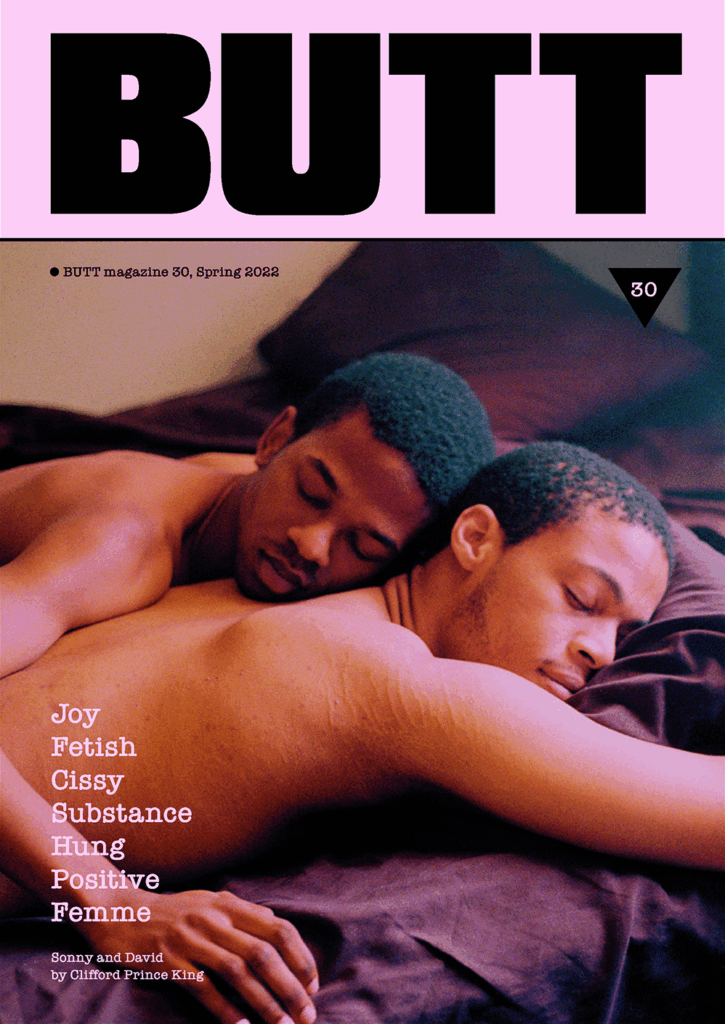
Sonny and David
Photography by Clifford Prince King
Sir Karim One One One One
Photography by GG. Studio LTD

Case Studies
Bottega Veneta
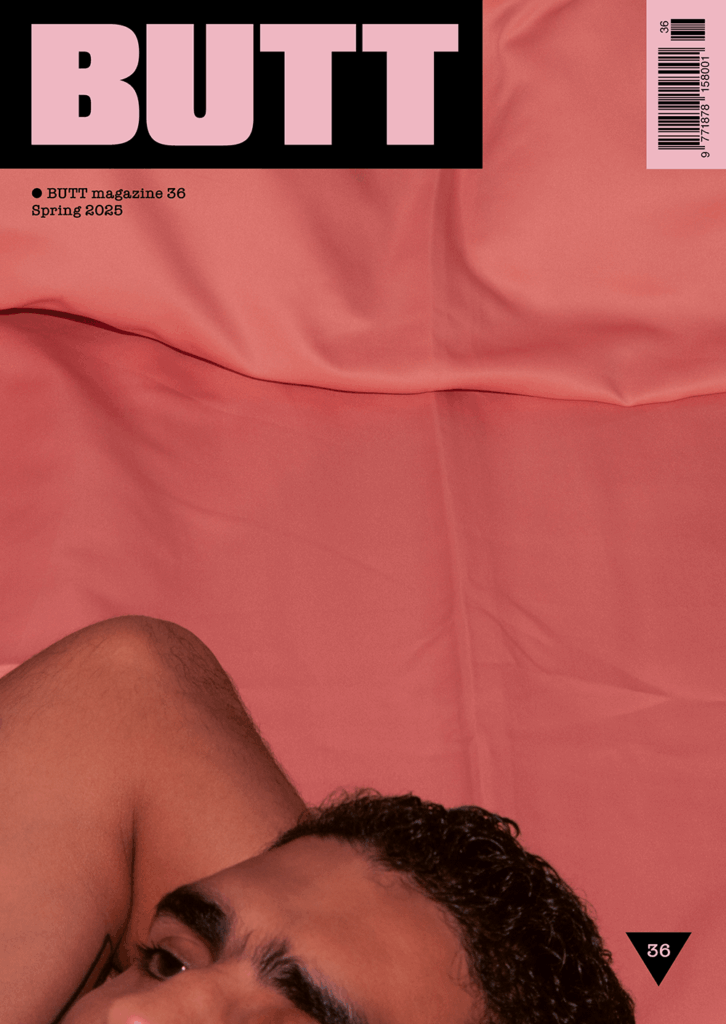
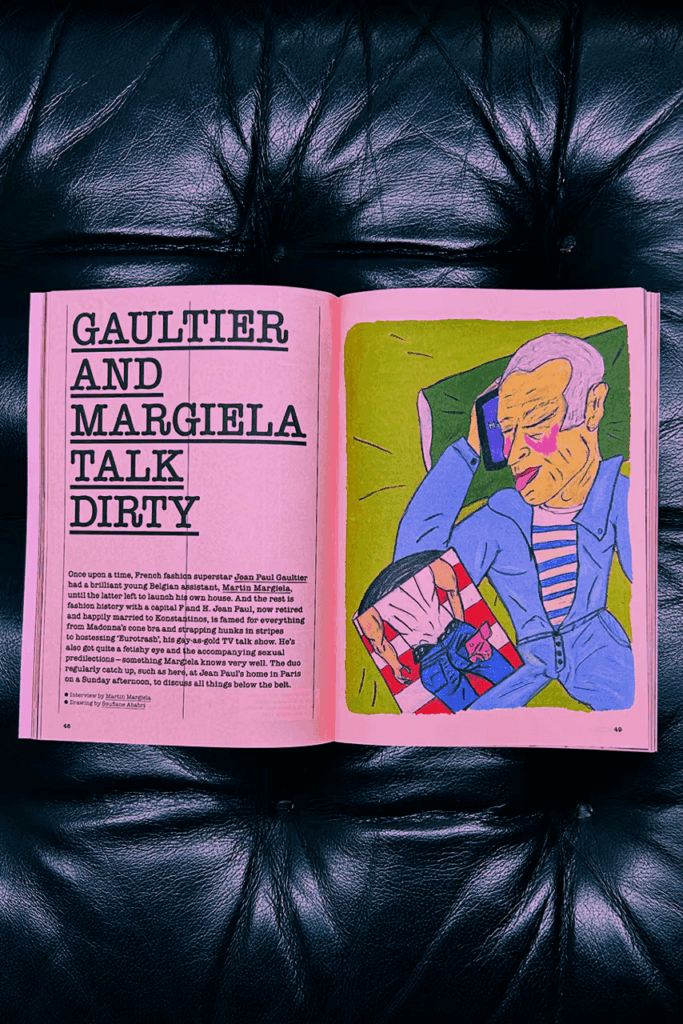
Under Matthieu Blazy’s creative direction, Bottega Veneta has turned print into a strategic lens for the brand’s values and vision as part of its distinctive cultural footprint. Turning away from digital campaigns, the house has invested in independent magazines that resonate culturally, from the relaunch of the queer landmark Butt to emerging voices like the art publication Magma and Air Afrique, which revolves around Afro-diasporic art. Together these collaborations speak of dialogue, diversity and curiosity, demonstrating how a luxury brand can leverage print to foster conversations that transcend fashion and marketing. The fanzine collaborations that accompany some of the latest collections are also central to the maison’s print strategy. Usually available in selected bookstores globally, as well as in Bottega Veneta stores worldwide, they’re part of how the brand engages subcultural and creative communities.
Acne Studios
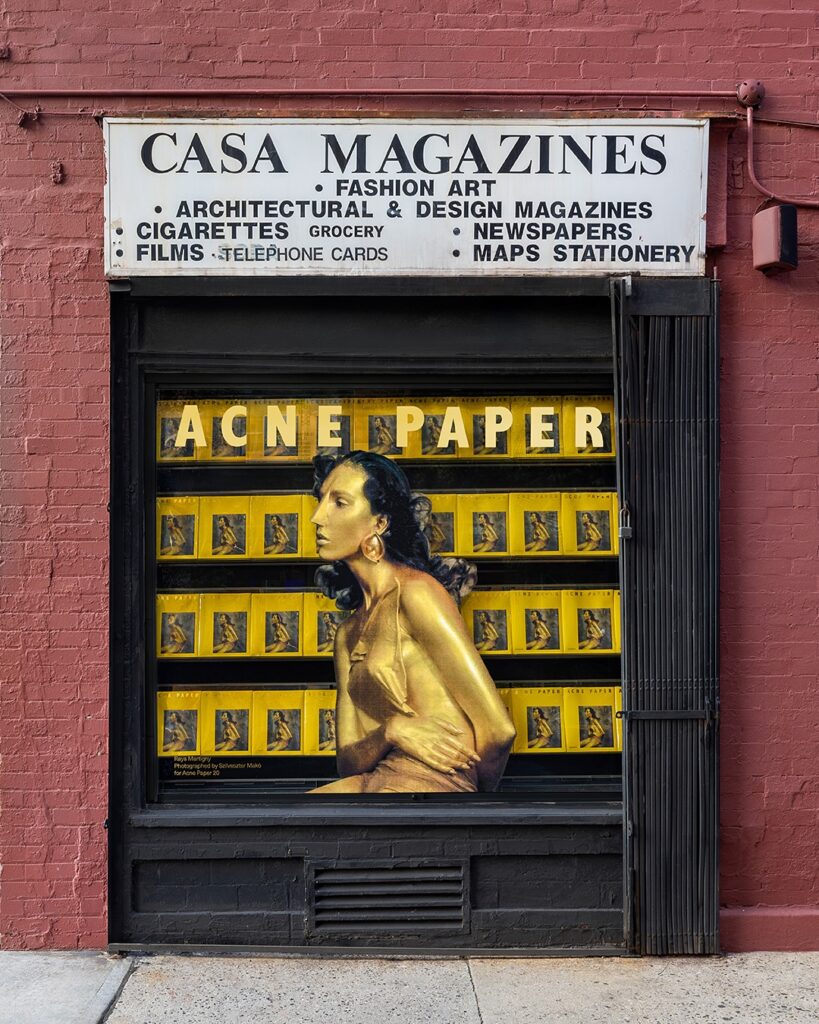
Under its own editorial imprint, the Stockholm-based creative collective and fashion label Acne Studios has long deployed print to assert cultural influence, most prominently through the biannual Acne Paper. Widely regarded as a benchmark for brand-led publications, the projectprioritizes ideas, authorship and permanence over product promotion, creating a space where fashion intersects with literature, photography and cultural critique. Each edition is organized around a theme explored through an interdisciplinary approach.
Originally published between 2005 and 2014, the magazine returned in 2021 in an expanded, 500-page, book-like format—its intentional inefficiency reinforcing collectibility and editorial authority.
Gucci
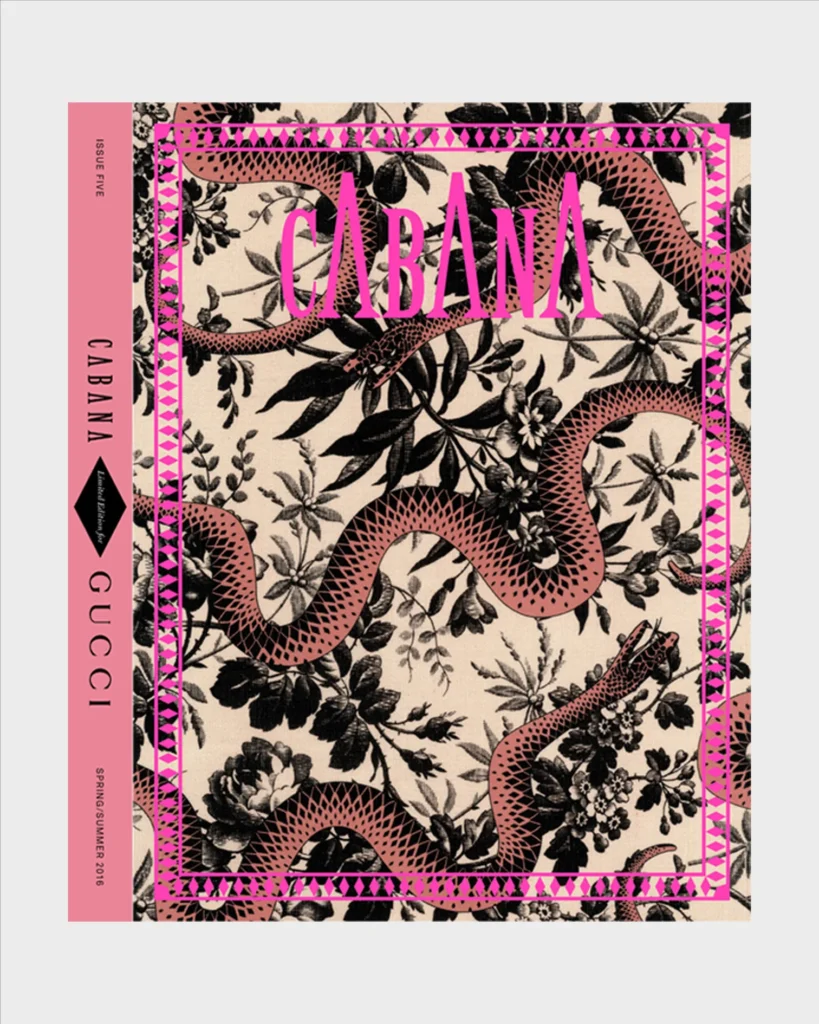
Unlike Acne Studios, Gucci has never produced a standalone magazine. Instead, the brand has expressed its cultural and editorial values through collaborations with existing platforms. The house co-curated special editions of respected independent titles; for instance, a limited-edition version of Cabana Issue N5 and a collectible box set celebrating the 10th edition of Wallet Magazine, embedding Gucci’s aesthetic and editorial sensibility into independent publishing worlds. Under creative director Sabato De Sarno, the house also launched Gucci Prospettive, a multi-volume art book series dedicated to different cities, that is as much about local culture as it is about De Sarnor’s artistic vision.
By strategically partnering with independent publications and producing limited-edition projects, Gucci extends its cultural reach while maintaining authenticity, situating the brand at the intersection of luxury, creativity and tangible cultural experience.
Carhartt WIP
Carhartt WIP has long demonstrated how print can speak directly to subcultures, cultivating community beyond traditional marketing channels. Its early magazine, RUGGED (2003–2009), laid the groundwork, and its current WIP publication (since 2018) continues to explore fashion, music, art and street culture in ways that resonate with creative insiders, blending editorial rigor with authentic representation.
A standout example is the collaboration with hube, which centered on visionary Cape Town artist Lea Colombo, known for her multi-disciplinary work. For hube, she produced a series of pieces across diverse media that aimed to tell stories beyond the everyday; a creative endeavor supported by Carhartt WIP.
The collaboration culminated in a Paris-based event that included a public talk moderated by hube’s chief editor, Sasha Kovaleva, featuring the artist and the cultural tastemaker Sarah Andelman, followed by a preview of Colombo’s exclusive artworks. The activation extended the collaboration into a social experience that reinforced Carhartt WIP’s position within the cultural landscape. The brand later noted that the partnership with Colombo led to ongoing creative work together.
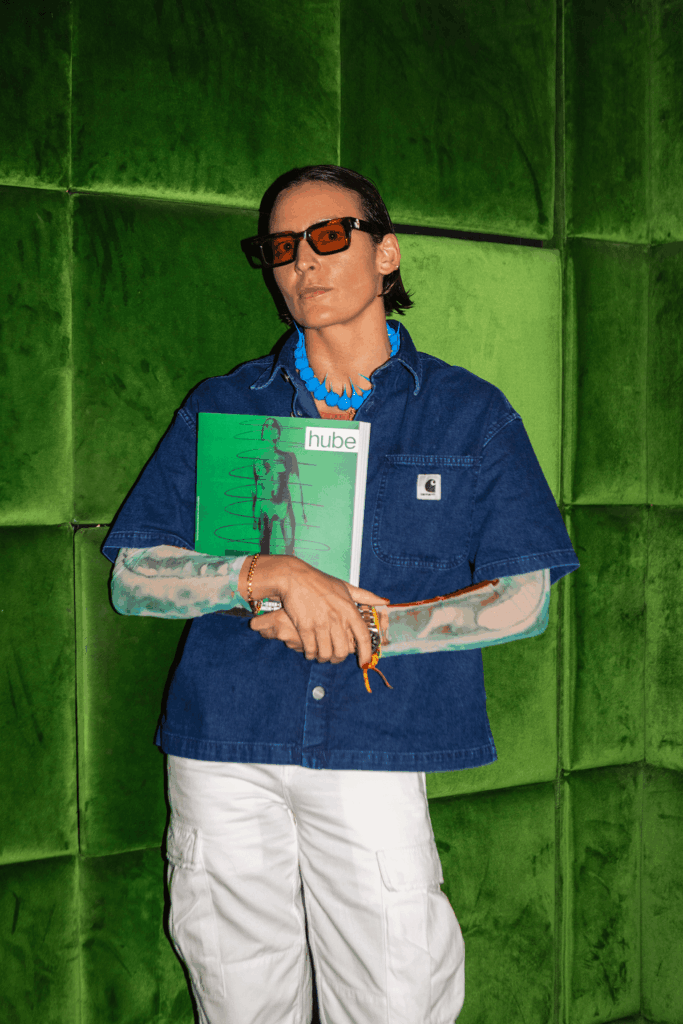
Photography by Nadia Krawiecka, courtesy of hube magazine
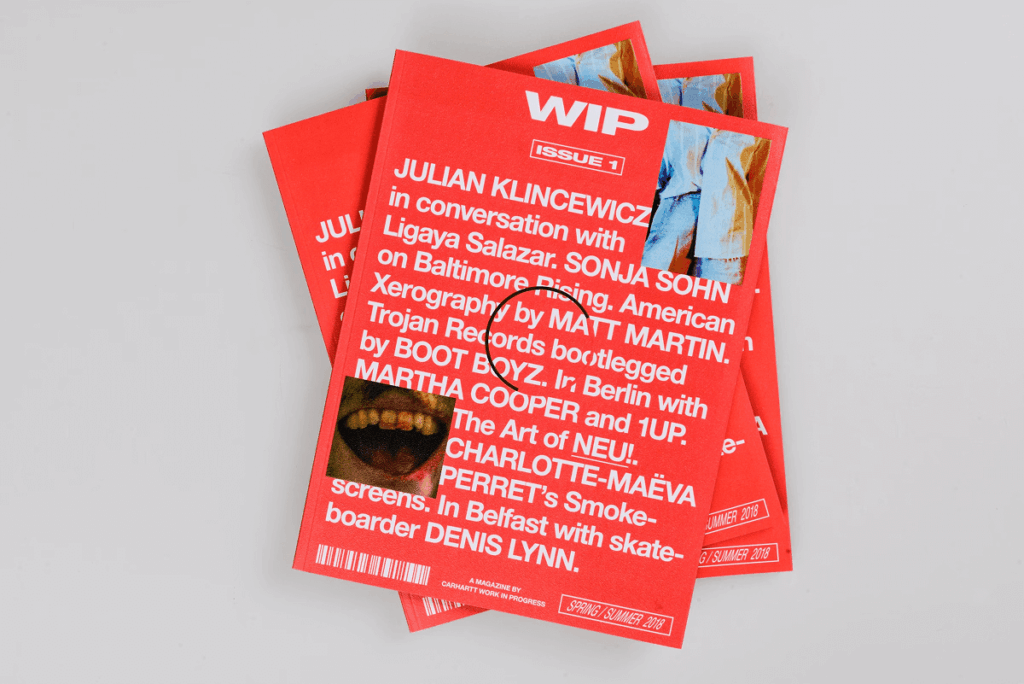
Courtesy of Carhartt WIP

Microsoft
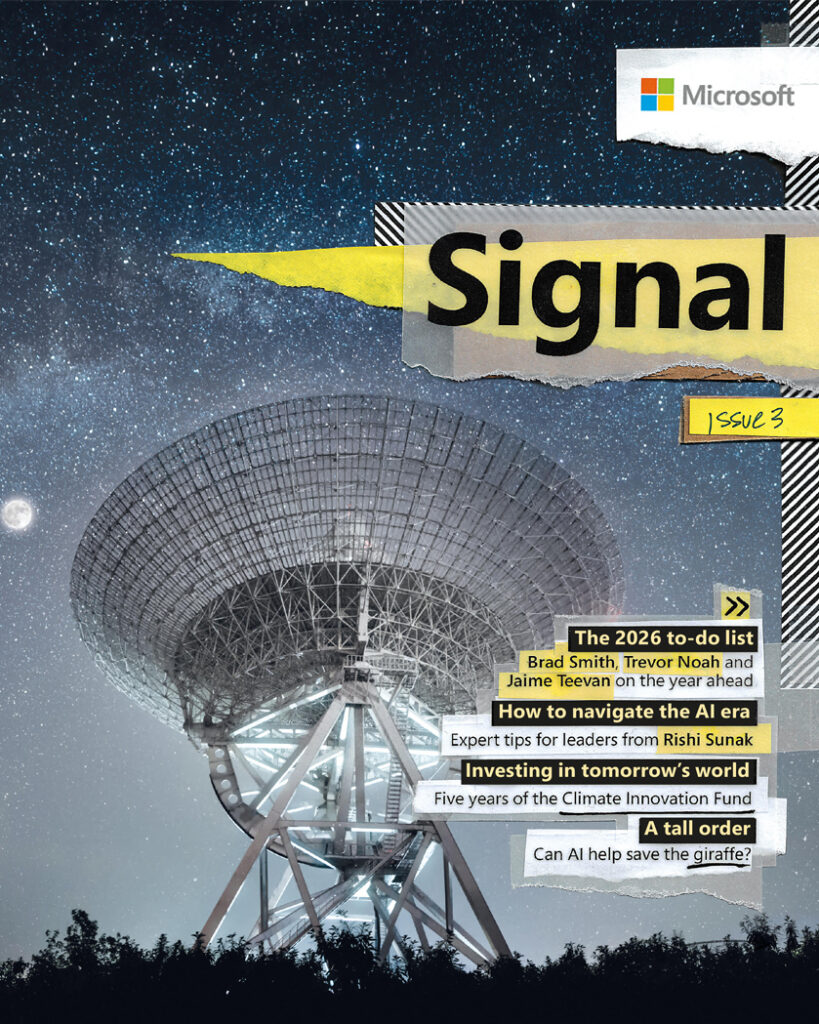
In May 2025, Microsoft unveiled the first edition of Signal, a 120-page printed magazine focused on technology and corporate strategy for business leaders. A compelling example of how print can serve as a strategic communication tool beyond fashion or luxury, Signal seeks to bridge Microsoft’s sprawling ecosystem with its audiences. Its pages mix thought leadership essays, interviews with creators and technologists, and visual storytelling.
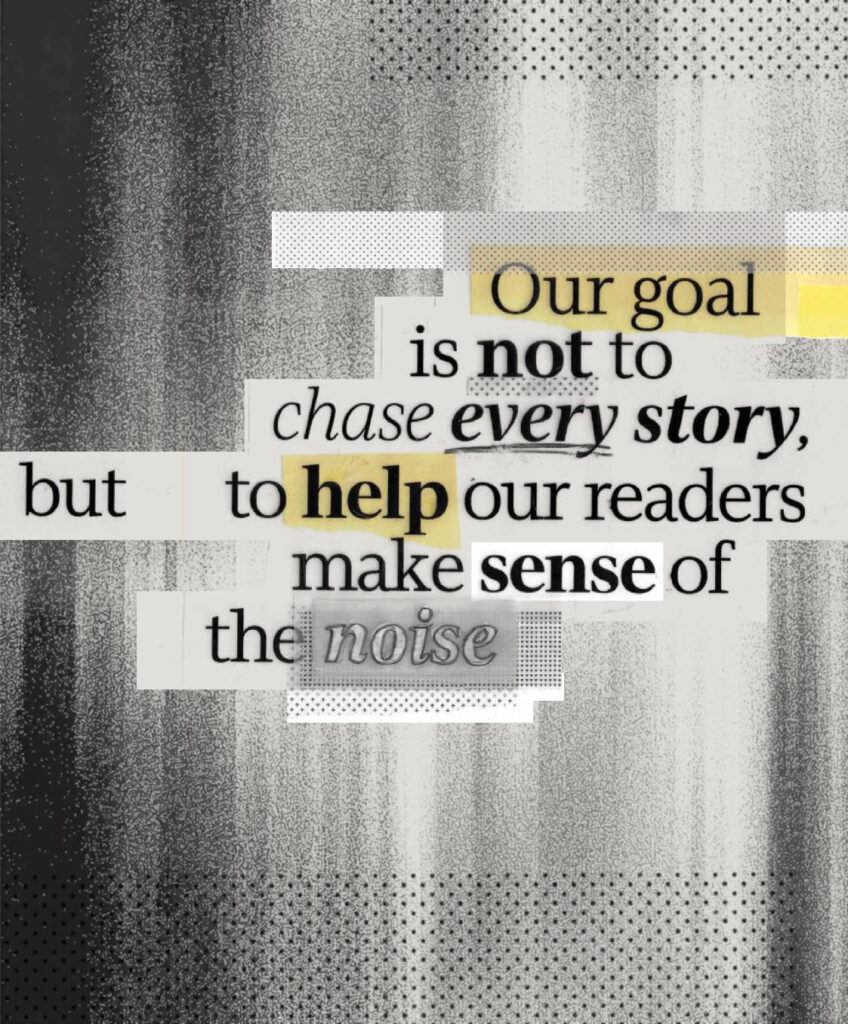
The choice of print is deliberate and meant to counter digital noise. Frank X. Shaw wrote in the inaugural editorial, “As the Chief Communications Officer for Microsoft for more than 15 years, I’m both a victim of this deluge of facts, and a contributor to it.” Signal, he continues, is “a magazine for senior business leaders interested in hearing directly from Microsoft and from each other.” In other words, it underscores how print, once again, can be used as a strategic tool to assert authority and foster community.
Airbnb
Airbnb experimented with print well before today’s renewed interest in the medium, but with far less success. Its first foray, Pineapple, launched in 2014 as a glossy, host-focused magazine celebrating the company’s ethos of belonging, community and travel. Despite strong visual ambition, the quarterly never made it past a single issue, quietly disappearing amid leadership turnover and budget constraints.
A few years later, the home-rental platform tried again with Airbnbmag, a collaboration with Hearst positioned as a mass-market travel title. While the partnership brought scale and publishing expertise, the magazine faltered in defining a clear editorial purpose beyond brand storytelling. An infrequent publishing cadence and misaligned incentives hampered strategic clarity. Neither Pineapple nor Airbnbmag became lasting fixtures in travel media, struggling to balance brand messaging with content depth: an example that print alone is not a shortcut to cultural relevance.
Netflix
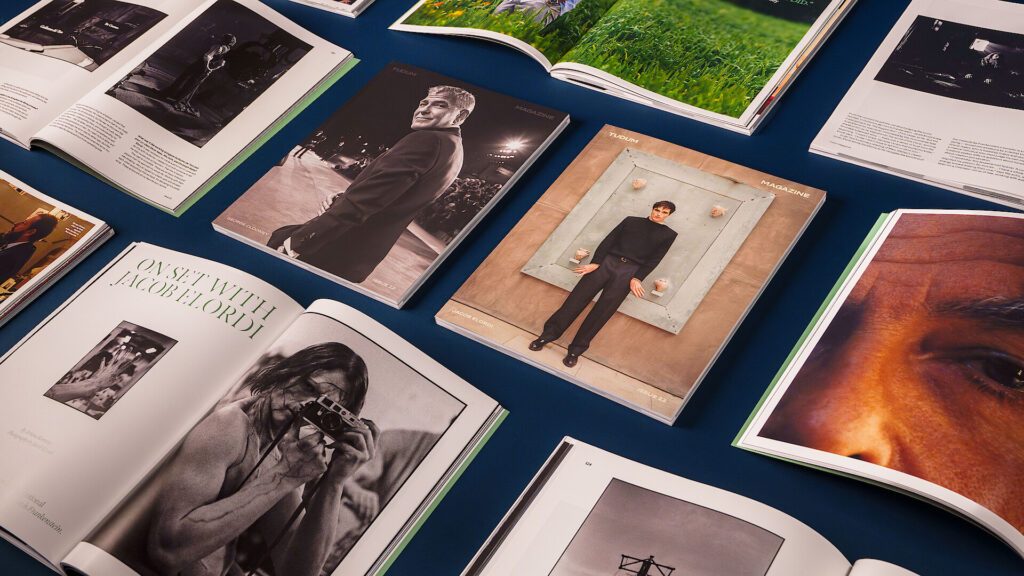
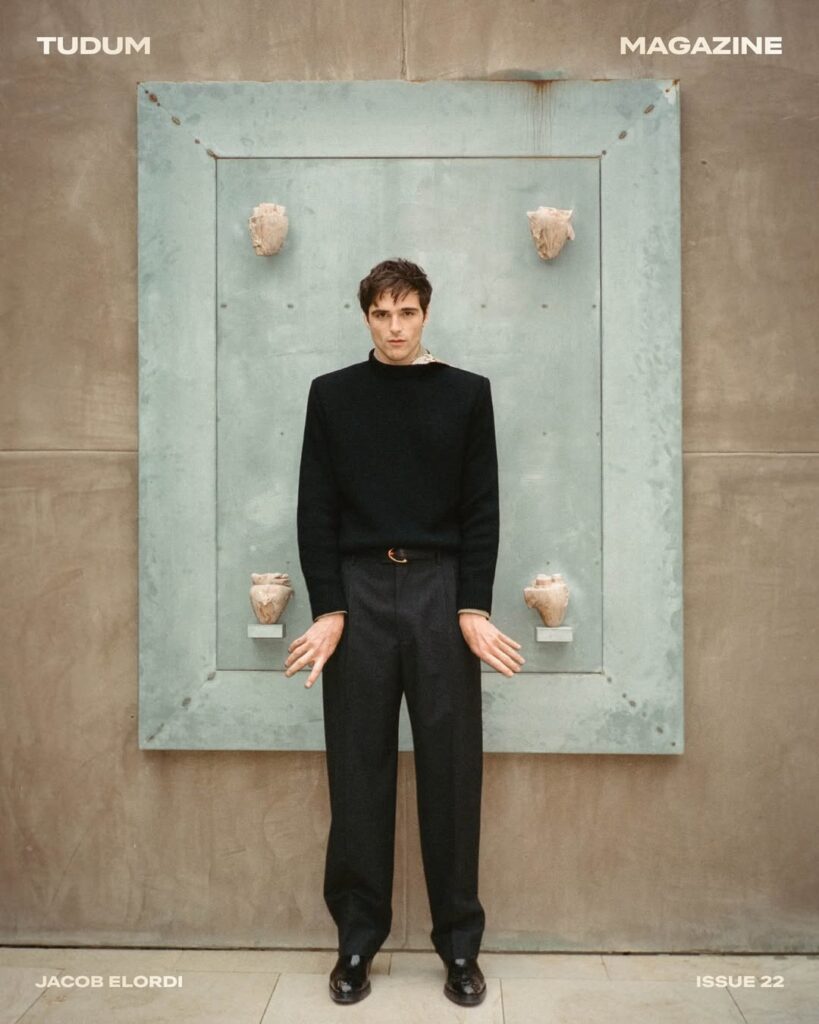
Netflix offers a striking example of print as audience-centric engagement through Tudum, its biannual magazine designed for the platform’s most devoted fans. Unlike traditional marketing collateral, the publication named after Netflix’s iconic sound logo functions as an immersive cultural touchpoint, presenting behind-the-scenes features, interviews and essays that expand the narratives of the beloved films and shows. Part of a larger cross-platform strategy that includes live events and other experiential activations, the publication provides an anchor fans can return to again and again. Remarkably, even the streaming giant has turned to print to reinforce loyalty and engagement, creating a participatory space where fandom is acknowledged and cultivated.
Rethinking influence
For all the renewed attention, print remains a medium that comes with challenges. With global print publishing revenues hardly soaring, many speak of a crisis in traditional publishing. Yet this narrative appears to affect primarily large publishing groups, while smaller independent titles, by contrast, are flourishing. It is here that brands are finding bright spots to secure less mainstream positioning and to communicate ethical and aesthetic values in a more impactful way.
Much could be said about what this shift reveals about the present and why audiences are increasingly drawn to permanence and meaning over the fleeting dopamine hits of algorithm-driven feeds, be it a form of generational nostalgia or a deeper cultural response to what the internet has failed to provide. What is clear, however, is that brands engaging with this movement must also rethink how they measure success, replacing the pursuit of immediate conversion with longer-term influence and cultural positioning.
Ultimately, as print’s demise appears nowhere in sight, grounded in permanence, what will remain is the power and audacity of editorial vision. If brand-driven print ventures are to continue to matter, they will do so by shaping how we see, read and make sense of the world, long after the feed has refreshed.
Words: Benedetta Ricci