
On show at Palais d’Iéna during Art Basel Paris
Courtesy of Helen Marten
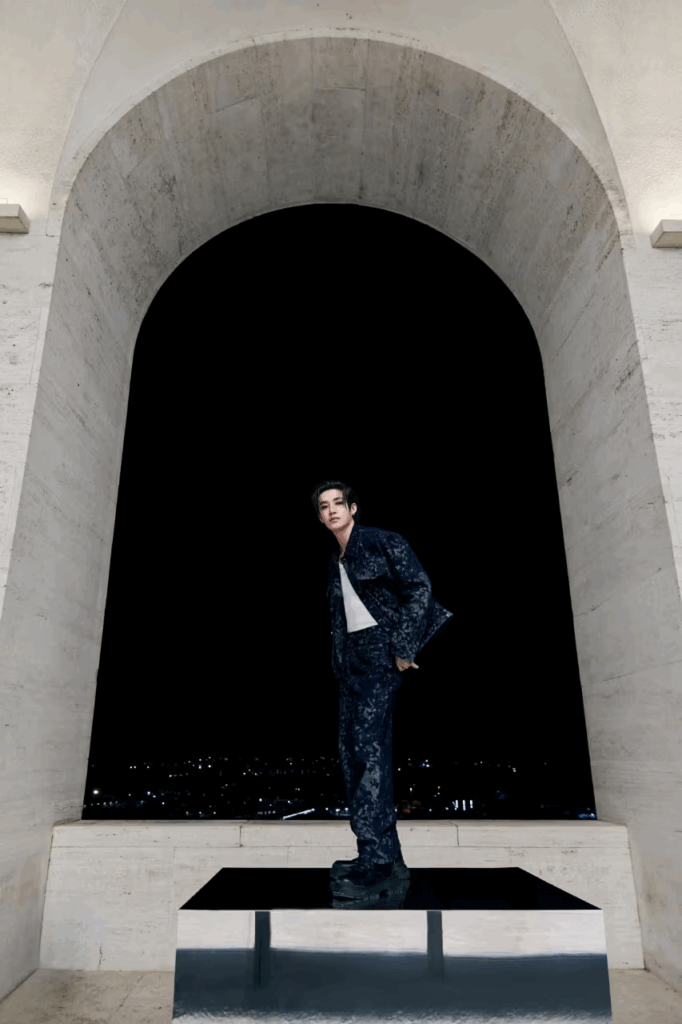
Milan Fashion Week S/S 2026 marked a striking market win for Italian luxury fashion house Fendi. Through a collaboration with Bang Chan of the K-pop group Stray Kids, the brand demonstrated the force of a youth-oriented strategy grounded in K-pop influence and collectible design. As the Cultural Currency Index report by Annex notes, “Fendi’s results confirm the effectiveness of its dual strategy: leveraging K-pop influence to drive youth engagement while translating cultural visibility into measurable demand”.
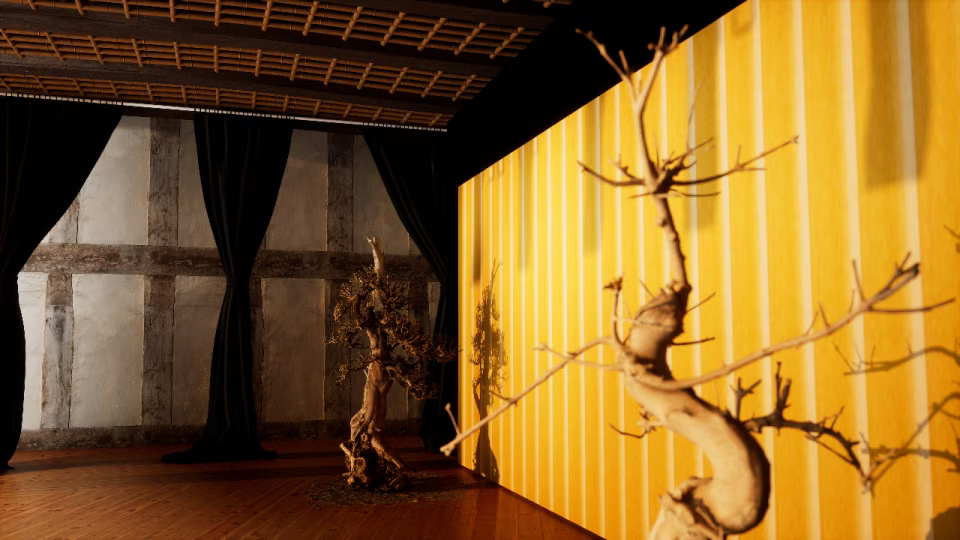
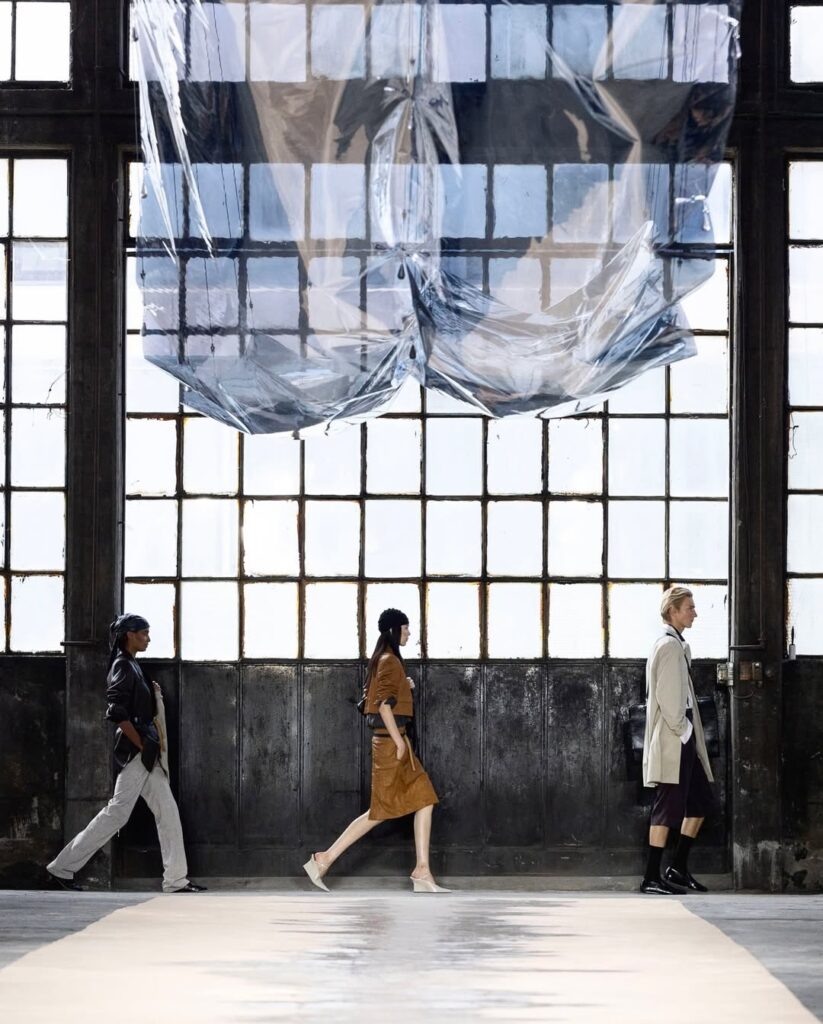
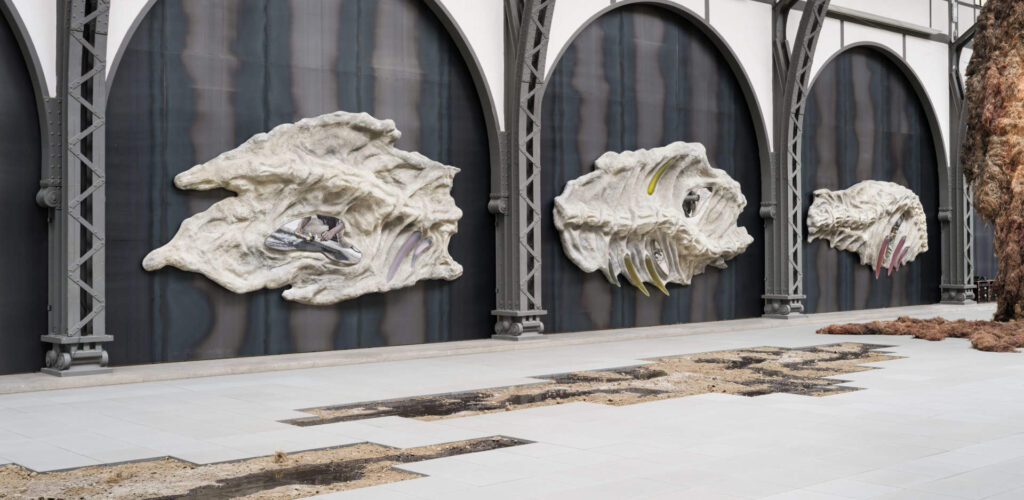
Only a few weeks later, at the Palais d’Iéna in Paris, Miu Miu took the spotlight as the official sponsor of Art Basel Paris’s public program with Helen Marten’s 30 Blizzards—one of the fair’s most anticipated performances. Speaking about the thirty characters in the two-hour opera-like work, the Turner Prize–winning artist said: “They’re almost like atomized slivers of a world that we recognize, but can’t necessarily geographically locate. There’s something that everyone can relate to.”
What these two seemingly unrelated events have in common is the deft use of artist activations to channel cultural energy. Fendi tapped into the global surge of Korean cultural influence, which is increasingly setting the global luxury market agenda, while Miu Miu put together a potent display of cultural capital, one that subtly echoed the brand’s ethos while engaging an audience far beyond the art world.
In an increasingly fragmented cultural landscape where brands, luxury or otherwise, compete for relevance, artists have become vital collaborators to help them resonate with subcultures and build communities through emotional connections rooted in shared identity and belonging. Particularly in times of economic uncertainty, engaging with audiences beyond products but through stories that feel deeply personal is essential to foster lasting customer loyalty. In fact, the dedicated and loyal communities that brand tribes are, are built not just on the promise of product but on the emotional buy-in they generate. The strongest tribes are anchored in three key forms of engagement: activity-driven, personality-driven and values-based. What makes artist activations particularly powerful is that they resonate across all three of these categories creating narratives that engage communities on an emotional level and give them a sense of ownership, purpose and connection.
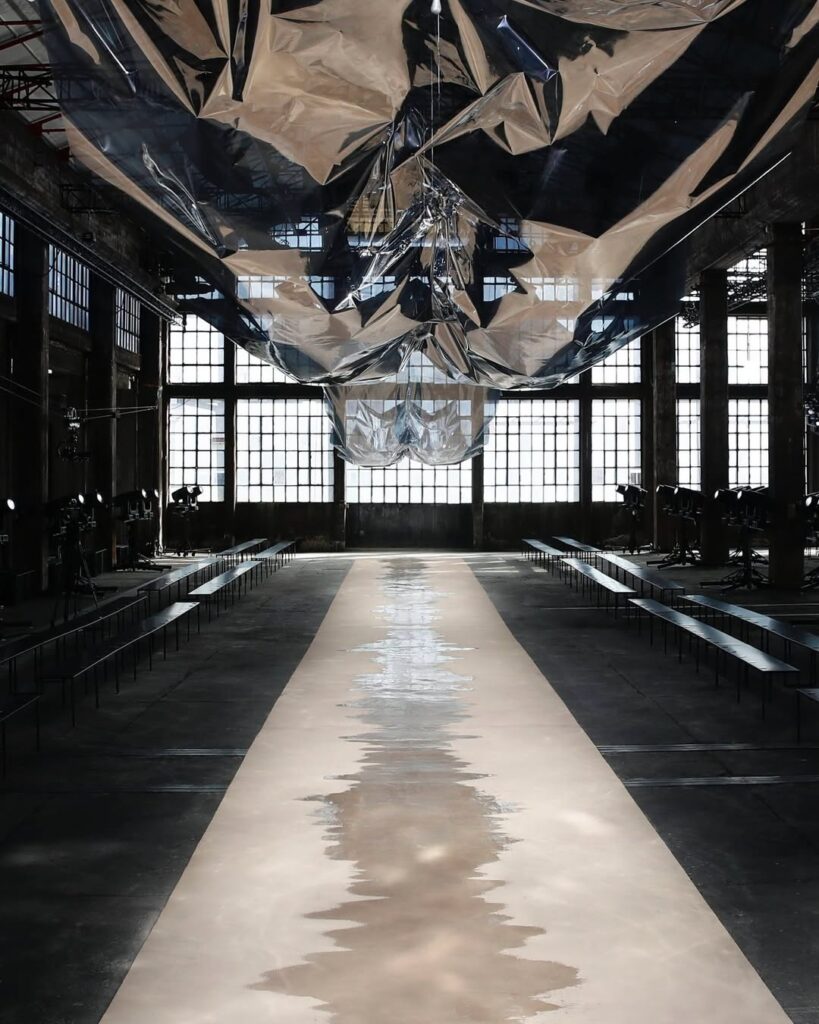
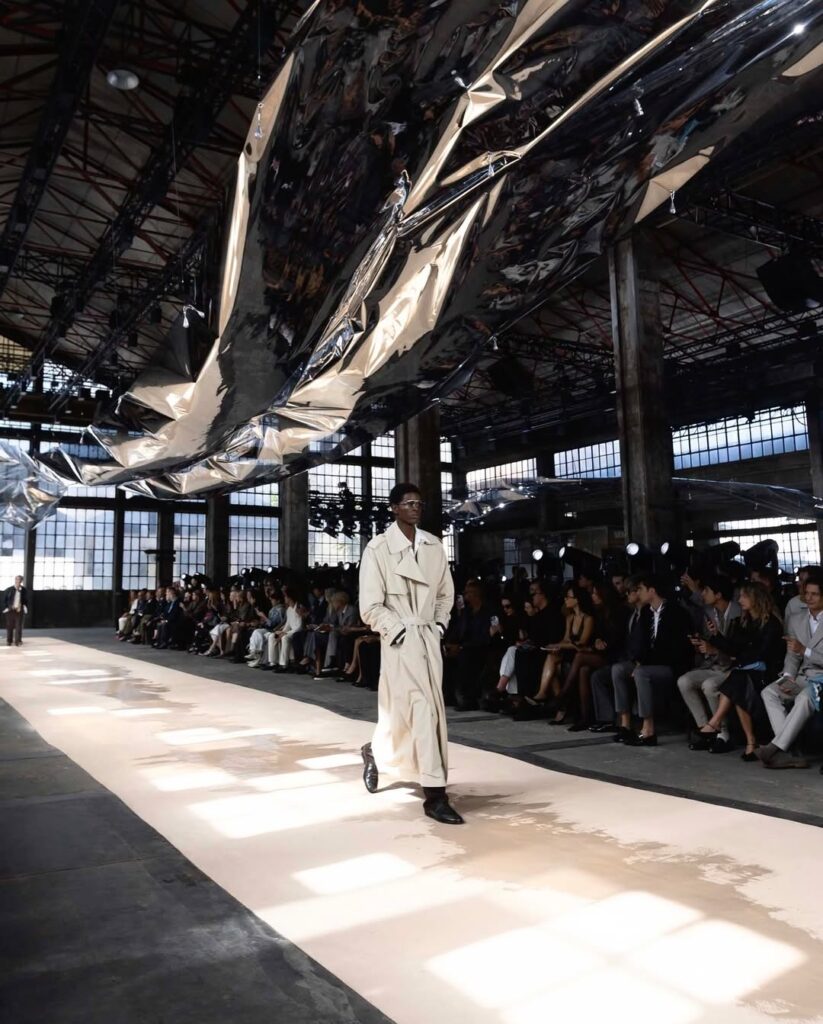
Of course, artist collaborations come in varying levels of involvement, from artist capsule collections—take, for example, David Shrigley’s playful designs for Marc Jacobs—to artist-led installations or immersive experiences, like Boris Acket’s dynamic installation at the recent Boss show, which transformed the runway itself into an art piece. The most ambitious models, however, involve brands functioning like cultural institutions in their own right—think for example of Loewe Foundation or Fondation Louis Vuitton. But in the current landscape, defined by a broader cultural turn toward authenticity and a shift from mass marketing to micro-tribes united by shared aesthetics, values and experiences, how can brands leverage artistic collaborations to shape loyalty and cultivate community?
Authenticity over transaction
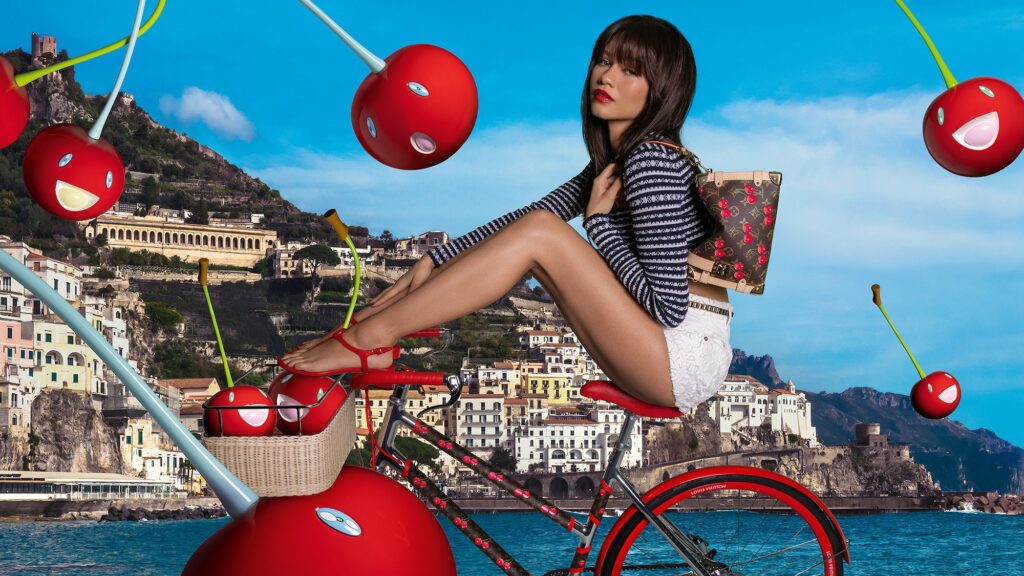
What sets artists apart is that, unlike traditional influencers, they have the capacity to influence identity beyond just image. So when it comes to artist collaboration, the hyper-transactional nature of certain marketing models like influencer marketing gives way to creative authority and emotional weight, which ultimately become essential means to foster trust. At the highest level, such collaborations can blur the lines between artist and brand. Pharrell Williams’ journey at Louis Vuitton is a case in point. After contributing as a guest designer in 2004 and 2008, the musician and entrepreneur was named Men’s Creative Director in 2023, taking on a role that shapes the brand’s long-term cultural direction. It was precisely the blurring of boundaries that drove his appointment. “The way in which he breaks boundaries across the various worlds he explores, aligns with Louis Vuitton’s status as a Cultural Maison, reinforcing its values of innovation, pioneer spirit, and entrepreneurship,” reads a brand statement. This approach transcends the traditional designer-brand relationship and suggests a future where brands themselves are platforms for cultural and creative expression. This intertwining of roles flows in both directions with designers extending their vision beyond the runway. JW Anderson, for example, curated a major exhibition at the Hepworth Wakefield, Disobedient Bodies, demonstrating how creative vision can span from fashion to museum exhibitions.
Digital tribes and physical spaces
Over the past decades, social platforms have radically accelerated the formation of niche communities. Platforms like Instagram and TikTok have emphasised the rise of digital subcultures and constantly evolving micro-aesthetics, to the extent that brands, once solely reliant on mass marketing strategies, are now tasked with navigating these fragmented digital landscapes.
Artists can play a key role in helping brands anchor themselves in growing cultural movements and to authentically inhabit the very codes and languages that define them—such as Fendi’s collaboration with K-pop singer Bang Chan.
Yet, a tension exists between digital subcultures and the role of physical spaces. While the digital world has both eroded and supplemented the physical hubs that once sustained subcultures, brands still need to create physical experiences that mirror those curated online. Investing in cultural capital provides an effective strategy for bridging this gap, from pop-up clubs to artist-led store designs. For instance, Prada Mode works as an itinerant private club that offers its members a unique experience with a focus on contemporary culture, while Rimowa transforms its physical stores into immersive, experiential spaces that resonate with the brand’s ethos of mobility, exploration and self-expression.

Courtesy of FENDI
Courtesy of FENDI

Courtesy of FENDI
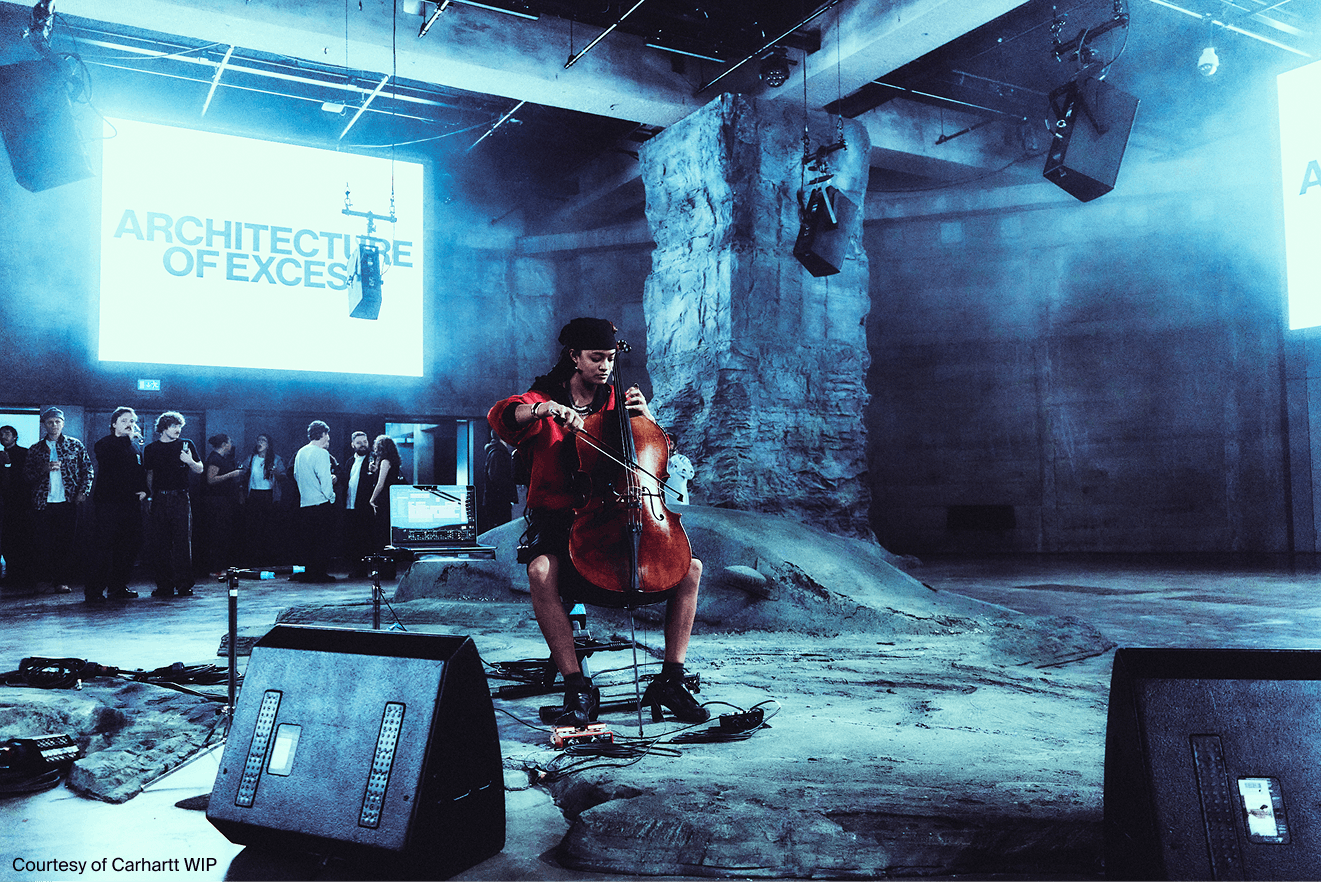
Courtesy of Carhartt WIP
Artist-driven storytelling as a foundation for community
Artists help brands authentically inhabit their communities by accessing a deeper strata of narrative—lore, symbolism, and shared references that allow communities to recognize themselves. It’s not about manufacturing a brand’s identity, but surfacing the stories that already circulate within a scene and giving them room to evolve. At the heart of this dynamic is the very nature of communities, which, as opposed to audiences, are not passive recipients of messaging. An audience listens, a community responds, organizes, riffs. Artists can navigate this intuitively because many already steward their own micro-scenes. When brands partner with them, they gain legitimate entry into cultural spaces they could never access alone.
As with all forms of collaboration, this is a two-way street: artists feed the brand with authentic storytelling and subcultural relevance, while the brand, in turn, provides platforms, scale and resources that can amplify voices. These collaborations work when there’s value-based alignment, be it around lifestyle, social ethics or ecological responsibility.
This is true for a brand like Carhartt WIP for instance, which has repositioned its heritage workwear by aligning itself with underground subcultures through artist-led capsules and collaborations with musicians, visual artists and filmmakers to engage communities grounded in shared identity—skate, graffiti, club culture. What’s more, as global markets shift, many brands are also turning to artists from underrepresented art circuits to connect with rising markets and younger demographics. Dior’s collaborations with African artists such as Ghanaian Amoako Boafo and South African Athi-Patra Ruga, or Adidas’s partnership with local UAE artisans for The Loomhood Collection, are examples of this trend. With this kind of dynamic the risk of slipping into tokenism is around the corner. However, there is also opportunity for an actual structural shift in cultural power, where brands don’t just borrow from these communities but help redistribute visibility, resources, and authorship.
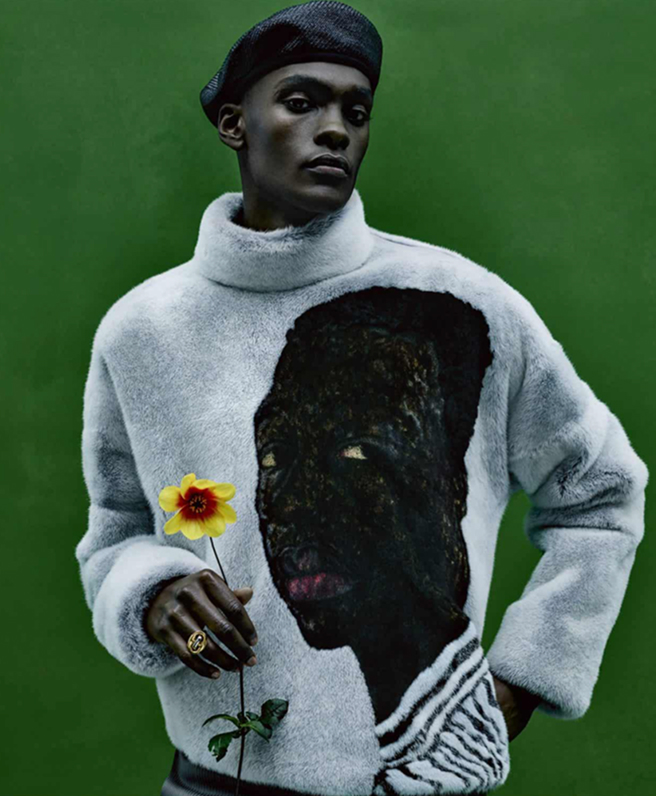
Photography by Rafael Pavarotti
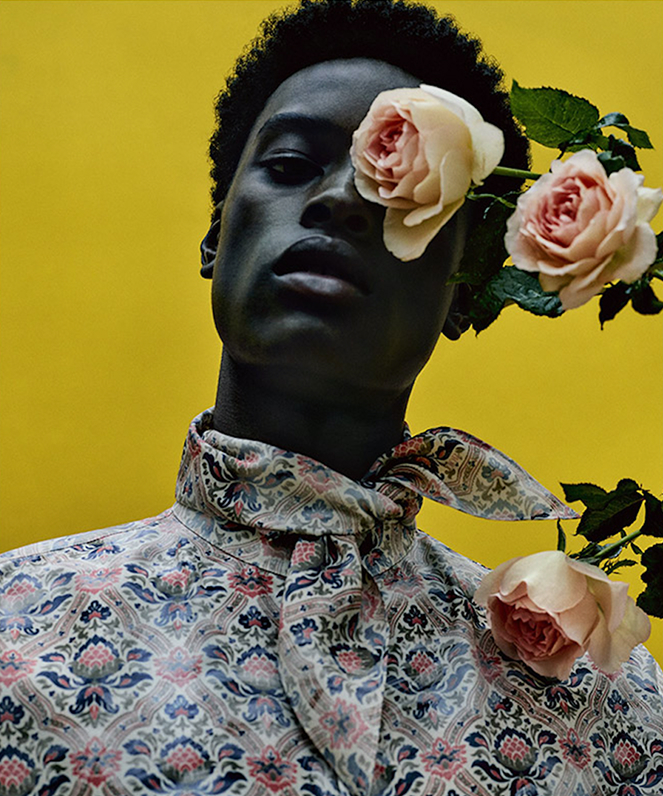
Photography by Rafael Pavarotti
The authenticity trade-off and the risk of the “corporate sellout”
For brands, artist collaborations offer a pathway to cultural credibility along with an aura of taste and genuine participation in cultural discourse. But for artists, what is the cost of lending their vision to a commercial agenda? As Sky Gellatly, a longtime matchmaker between artists and brands, noted, “For a long time, established artists were discouraged from taking on commercial projects, cautioned that it might diminish their value or prestige.”
The more strategic these collaborations become, the greater the risk of inauthenticity and commodification. By contrast, collaborations resonate when they feel organic, culturally attuned and reflective of the artist’s own trajectory. A recent example is the Y2K nostalgia-driven revival of the Louis Vuitton x Murakami line. Its sellout success—and the nearly 300 percent spike in interest on the vintage resale market—stemmed from Murakami’s pop-inflected aesthetics perfectly resonating with Gen Z’s fascination with early-2000s culture.
The following case studies illustrate how different brands have leveraged artist-led storytelling to cultivate communities that feel connected, seen and engaged.
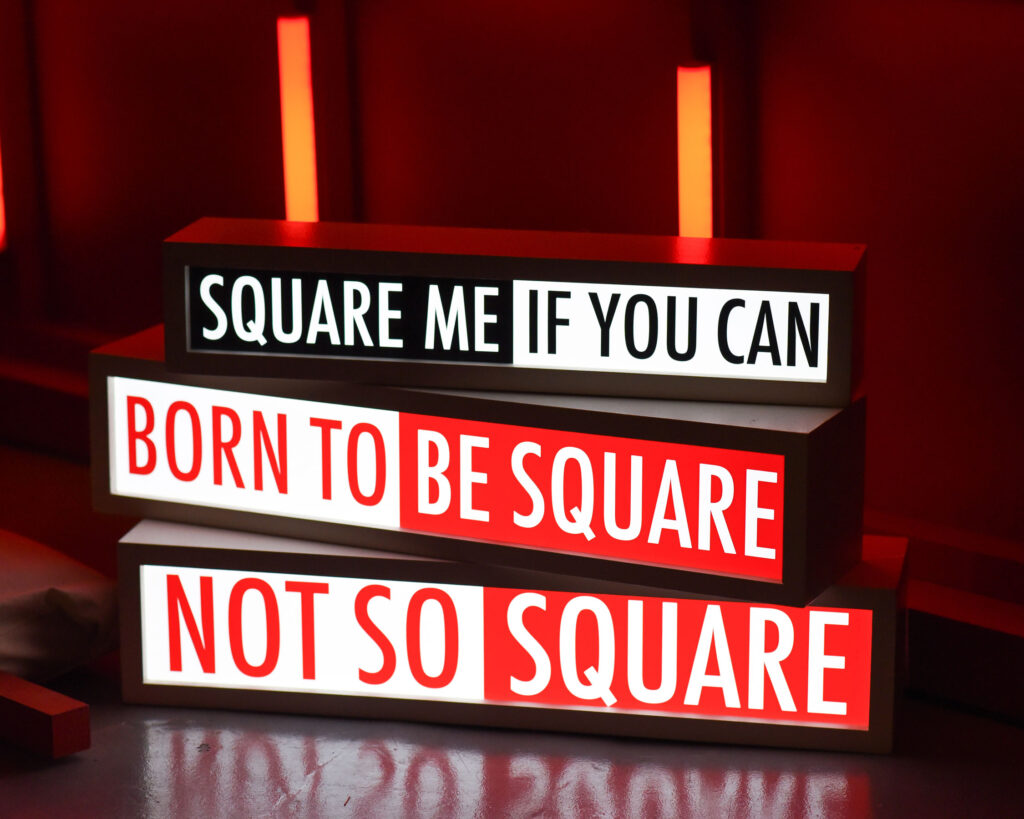
Hermès
With over 80 years of artist engagement, Hermès has perfected the art of cultivating community through creativity. From scarf commissions to immersive installations, the house treats artistic engagement as an evolving continuum that links object, story and environment. This ethos is crystallized in Hermès Editeur, a program that transforms the silk carré into a limited-edition art object, allowing contemporary artists to reinterpret the iconic format through experimentation in color and technique. Past collections include collaborations with Julio Le Parc, Hiroshi Sugimoto and the Josef & Anni Albers Foundation. A few years ago, to engage with the public more directly the brand also launched the Hermès Carré Club, an experiential pop-up event celebrating the square scarves. It featured a variety of interactive exhibitions and workshops where visitors could watch designers and artisans at work and sometimes purchase limited-edition scarves from a pop-up boutique.
Beyond this, Hermès creates a lineage of cultural continuity by extending artistry into the very architecture of its retail spaces: window displays curated as standalone installations, often created by noted set designers and visual artists. These windows function like micro-galleries, reinforcing the brand’s role as a custodian of visual culture and heritage. At Hermès’s London flagship, for instance, artist Jonathan Baldock’s Take a Peek transformed the storefront into a whimsical sculptural tableau. Here, a series of brightly-coloured hedges dotted with peepholes, a recurring motif in the artist’s work, offered a portal into a fantastical world and turned the windows into an interactive experience for the passerby.
Prada
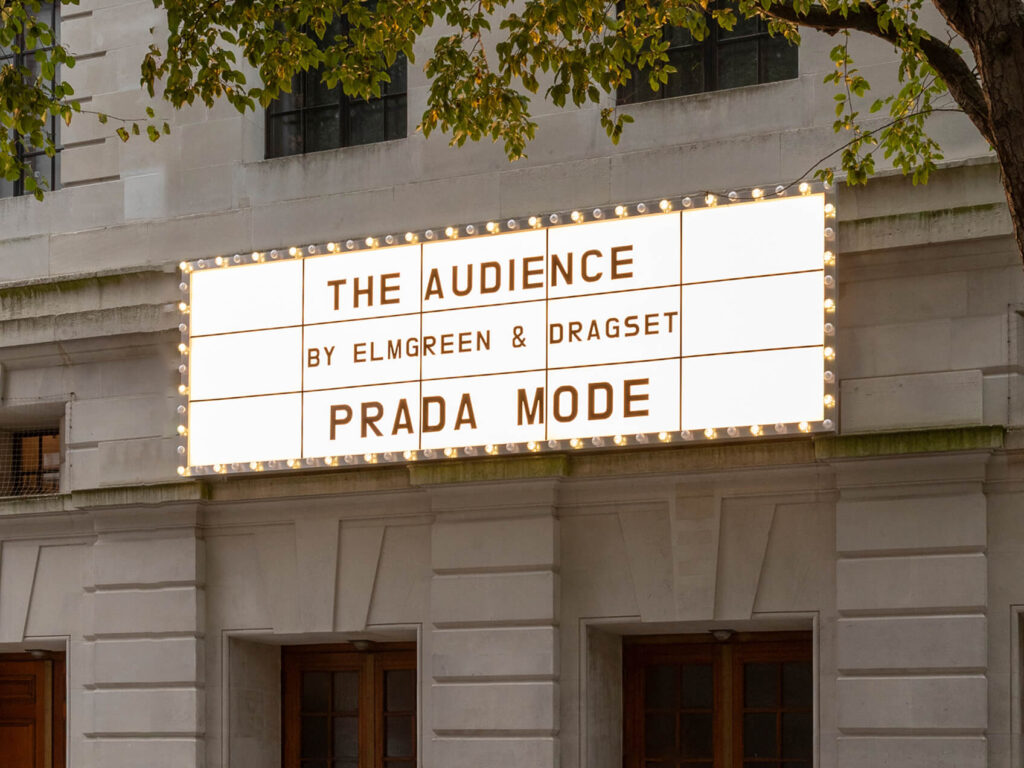
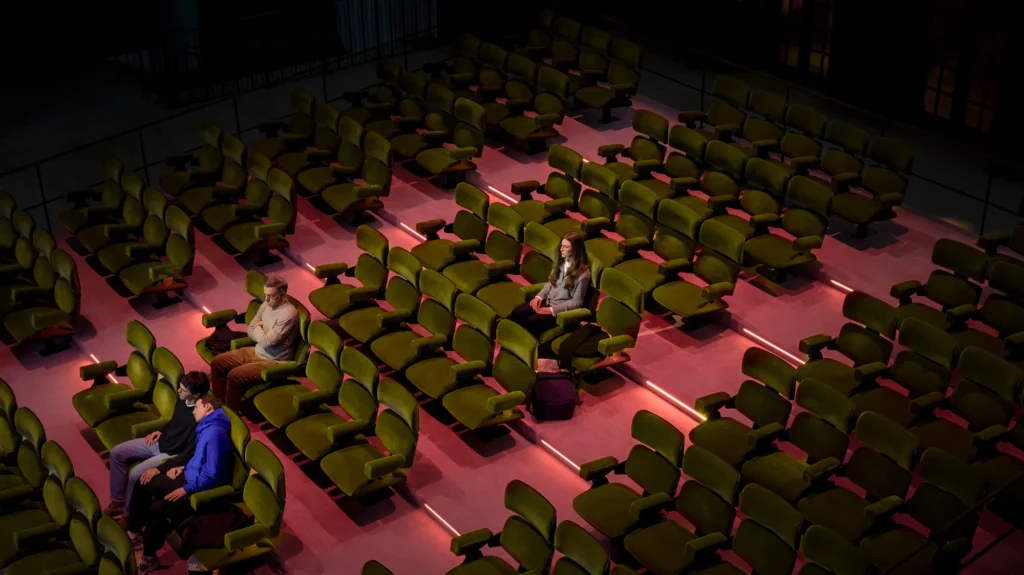
Prada offers a blueprint for how a luxury house can operate as a cultural institution rather than a conventional sponsor. Its partnerships show a willingness to support artists’ own creative agendas, allowing branding to fade into the background. Nowhere is this clearer than in the Fondazione Prada, founded in 1995 and today one of Milan’s most influential cultural institutions presenting exhibitions, commissions, research programs and cross-disciplinary experiments. This approach is complemented by social and community-focused initiatives such as Prada Mode, a roving club that fuses art, nightlife and cultural dialogue. Its thirteenth and latest edition, held at London’s Town Hall in collaboration with Elmgreen & Dragset during Frieze London, transformed the restored King’s Cross landmark into an immersive environment titled The Audience. Part sculptural installation and part social meditation, it explored spectatorship in an age of image saturation, hyperconnectivity and shrinking attention spans. Spanning five days—two for members and three open to the public—the program layered talks, film screenings, performances, conversations and DJ sets, reinforcing Prada’s role as a convener of ideas and a builder of cultural communities.
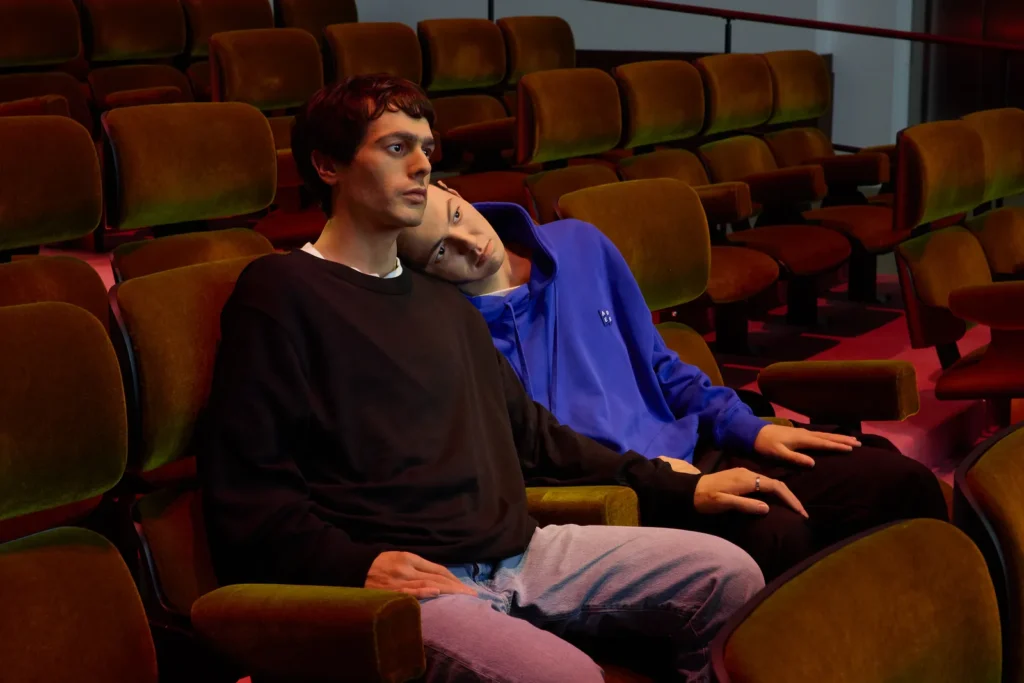
Comme des Garçons
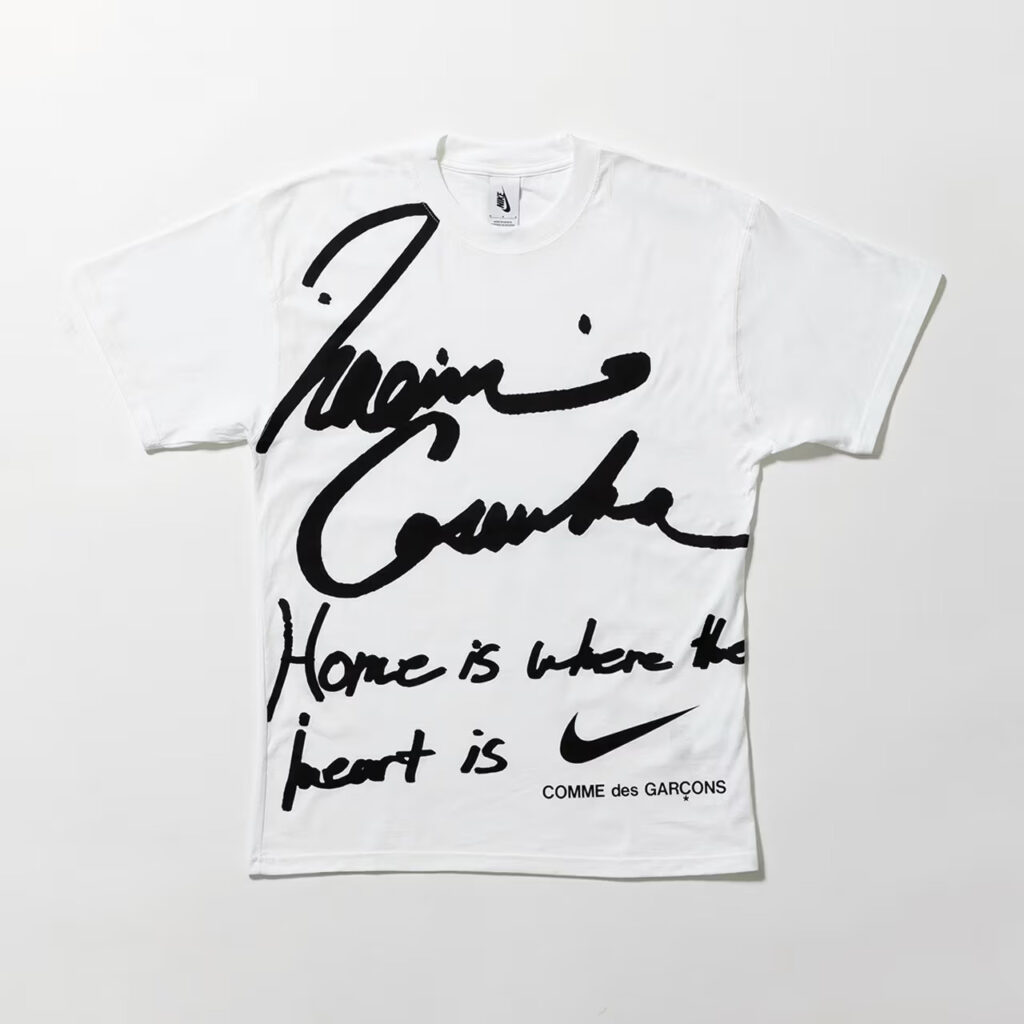
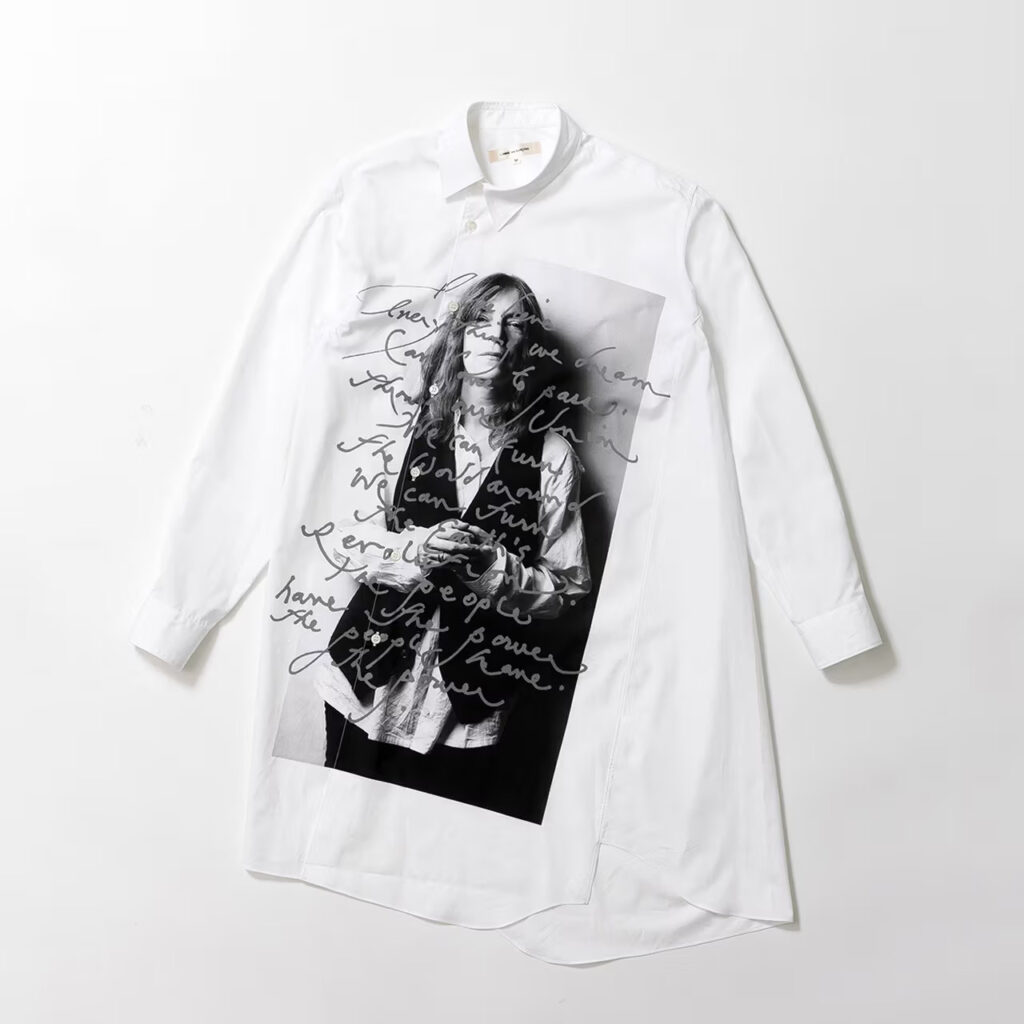
Rei Kawakubo’s vision for Comme des Garçons thrives on cross-disciplinary experimentation. Architecture, sound, visual arts, poetry, all feed into the brand’s restless imagination. Rather than treating collaborations as accessories to marketing, Kawakubo uses them as conceptual experiments: encounters that disrupt assumptions, provoke new readings and continually renew the brand’s meaning through dialogue. Each partnership becomes a gesture of cultural inquiry. This ethos was made explicit in 2020 with People of the Year, a project developed with the Japanese magazine Switch. Figures such as Stormzy, Patti Smith, Naomi Osaka, manga artist Kotobuki Shiriagari and architect Kazuyo Sejima contributed to a capsule collection, situating Comme des Garçons as an active participant within a wider mesh of communities.
This commitment to cultural circulation continues in Dover Street Market Paris, where Kawakubo designed a new space featuring basement floors dedicated to art and community events. The space functions as a social and creative hub, a platform where emerging artists, performers and thinkers can experiment alongside the brand. In doing so, Comme des Garçons has reinforced its identity as a conduit for creative cross-pollination, an ever-evolving landscape shaped by the communities it invites in.
Photography courtesy of Comme des Garçons
Photography courtesy of Comme des Garçons
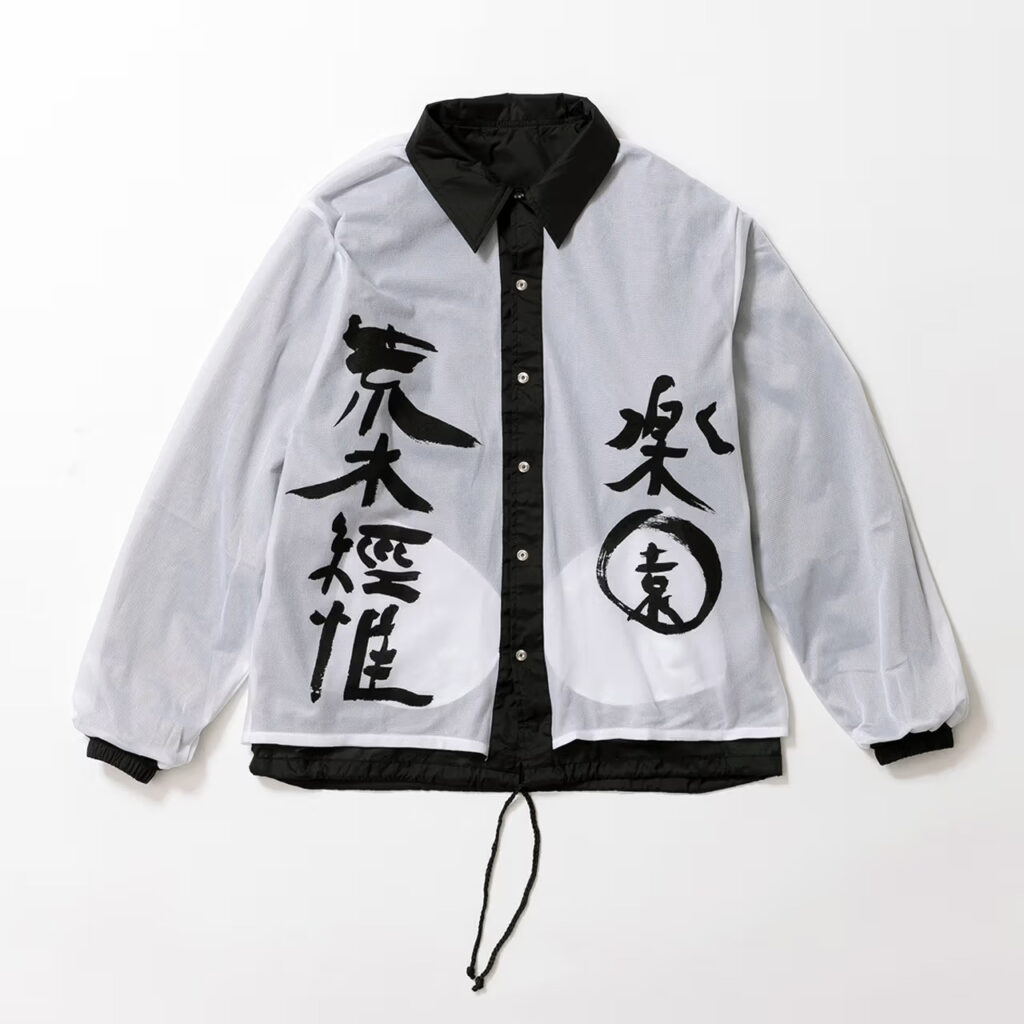
Photography courtesy of Comme des Garçons
Chanel
Chanel’s approach is anchored in philanthropy-driven cultural infrastructure, a legacy that stretches back to Gabrielle Chanel’s early support of composers, dancers and visual artists. Under Yana Peel’s leadership, the Chanel Culture Fund has expanded this heritage into a global platform that nurtures artistic ecosystems rather than individual campaigns. Recent initiatives illustrate the breadth of this commitment: the establishment of the Chanel Center for Artists and Technology at CalArts, which supports experimentation at the intersection of art and emerging media; a residency for women artists at the Pinacoteca de São Paulo, designed to amplify voices historically marginalized in the Latin American art world; and funding for the first public contemporary art library in Shanghai’s Power Station of Art, offering open access to knowledge and cultural research.
Notably, none of these programs are tied to product launches. Chanel’s cultural investment operates on a long-term, non-transactional and public-oriented logic. This distance from marketing not only reinforces the brand’s credibility but also positions Chanel as a patron whose influence is measured in institutional impact, community development and the cultivation of artistic futures.

Courtesy of Klára Hosnedlová, Kraupa-Tuskany Zeidler, White Cube / Staatliche Museen zu Berlin – Nationalgalerie, Zdeněk Porcal – Studio Flusser

Courtesy of Klára Hosnedlová, Kraupa-Tuskany Zeidler, White Cube / Staatliche Museen zu Berlin – Nationalgalerie, Zdeněk Porcal – Studio Flusser
Courtesy of Klára Hosnedlová, Kraupa-Tuskany Zeidler, White Cube / Staatliche Museen zu Berlin – Nationalgalerie, Zdeněk Porcal – Studio Flusser
Carhartt WIP
Carhartt WIP has transformed heritage workwear into a center of gravity for street and creative culture, embedding itself in the underground scenes that have long embraced its durability and utilitarian style. The brand participates in these scenes directly, supporting the music, skate and visual art communities that helped shape its global resonance. This dedication is visible in its ongoing commissions of murals, short films and artist-designed capsules across cities like Berlin, Lagos and São Paulo. Each project emerges from collaboration with local creatives, giving Carhartt WIP authenticity through participation and co-creation.
By consistently engaging with scenes on their own terms, the brand binds together diverse creative networks around the world, cultivating a rare kind of loyalty.
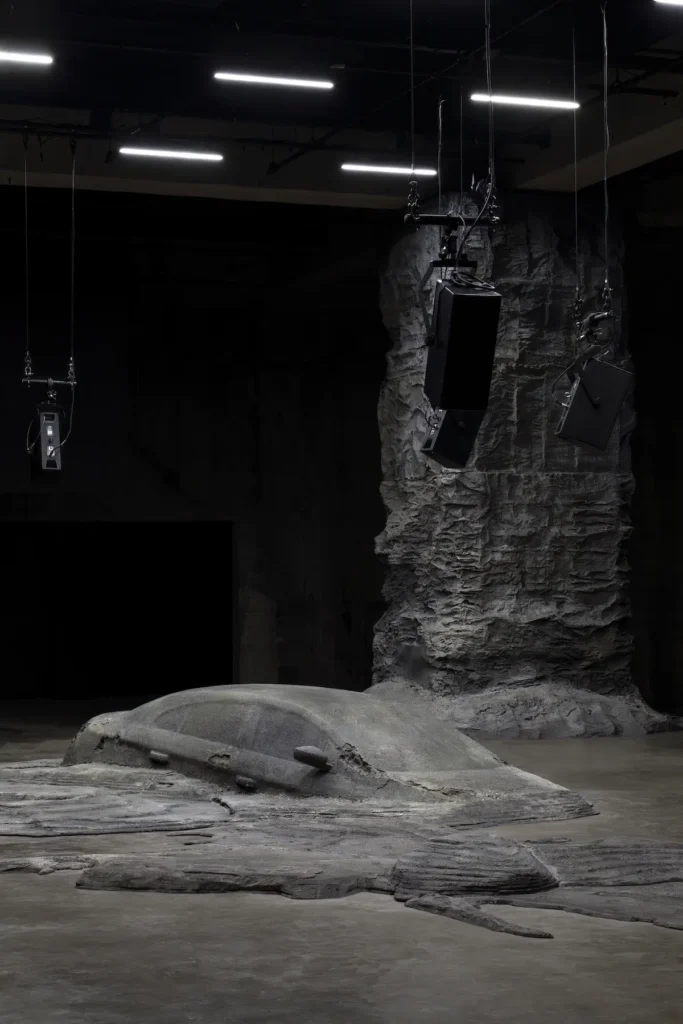
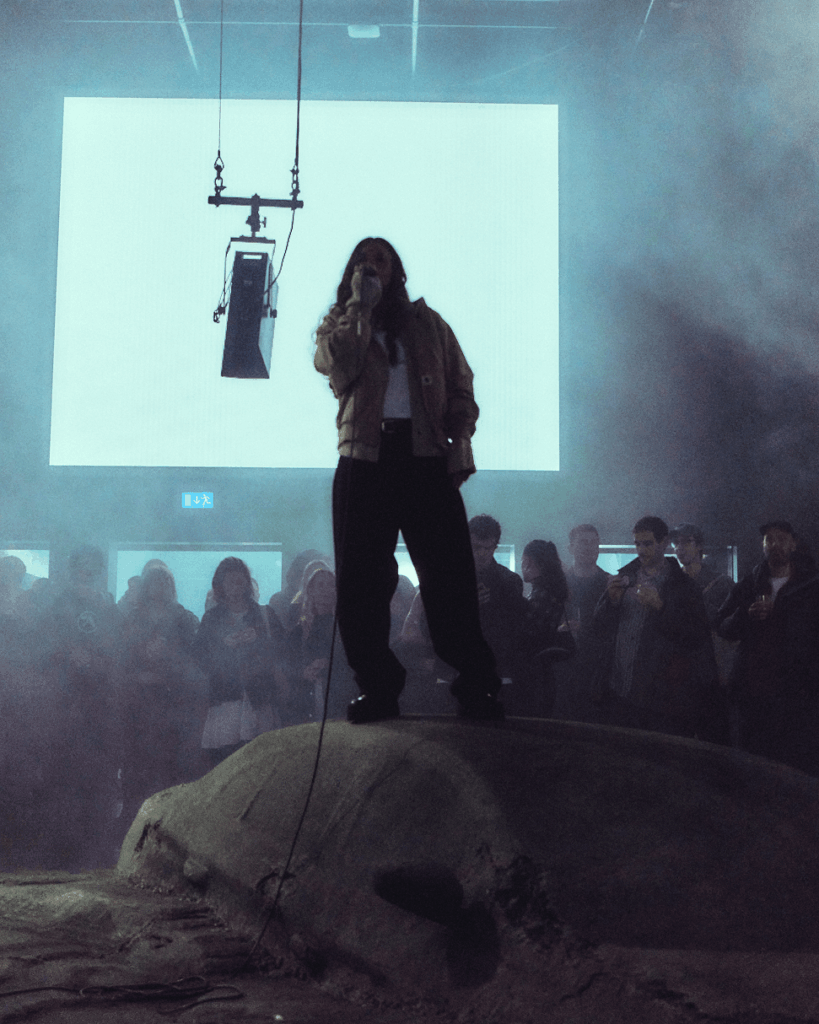
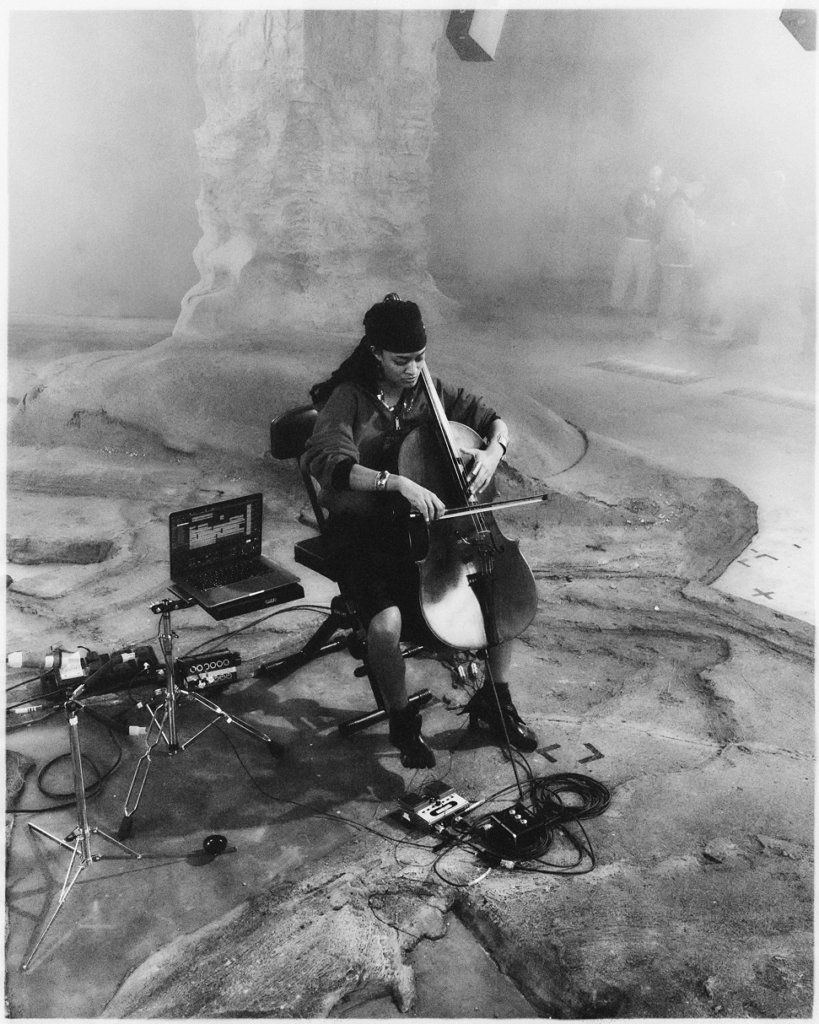
Most recently, Carhartt WIP brought this philosophy into a more institutional space with its Sedimental Works installation at Tate Modern in London. To celebrate the 50th anniversary of its OG Active Jacket, the brand teamed up with ILL-STUDIO by Thomas Subreville to transform the subterranean Tanks at Tate into a quarry-like “excavation” site. The installation used sculptural columns, sound, light, video and live performances to explore how the jacket has accumulated cultural meaning over time — not just as a functional garment, but as a living document of identity, labor and memory. This event underscores how Carhartt WIP actively curates and reflects upon its heritage in ways that resonate across art, design and community.
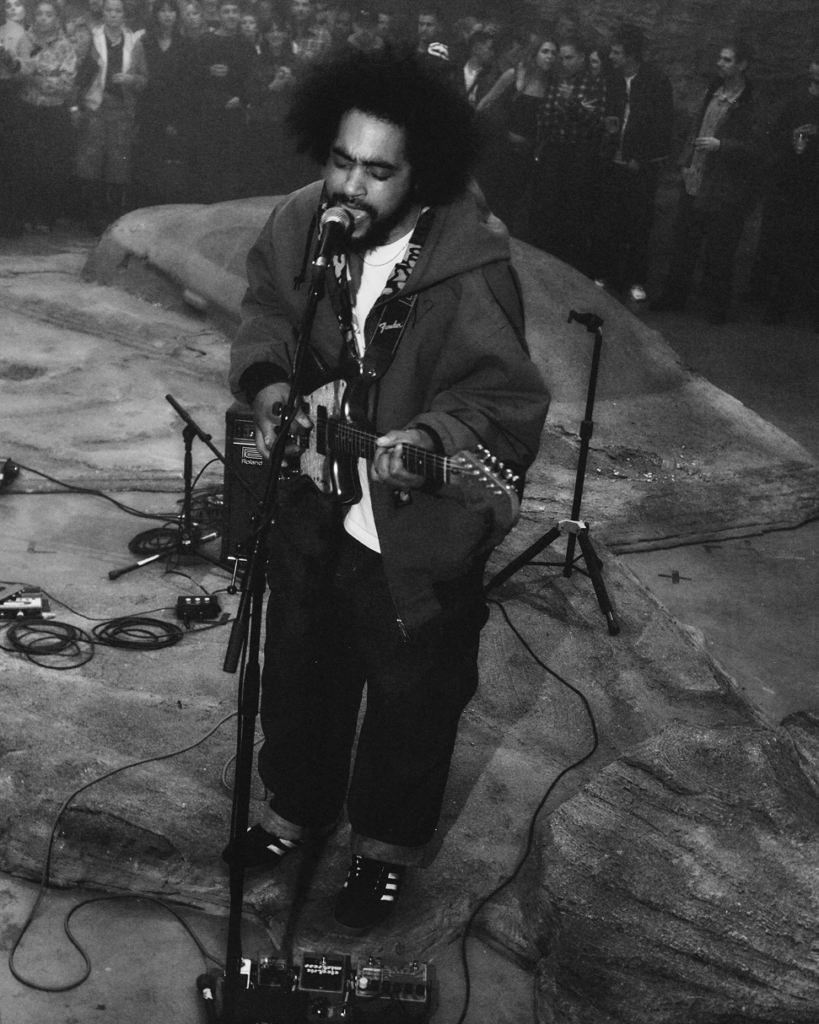
Rimowa
Rimowa has leveraged art collaborations to recast travel as a form of self-expression, positioning the brand within a wider cultural conversation about mobility and identity. Its concept stores and temporary installations function as immersive cultural spaces, often blending architecture, sound and sculpture to evoke the emotional texture of movement, from departure to arrival—and everything in between. Through collaborations with artists and designers, Rimowa delves into themes of belonging, displacement and creative freedom, using luggage as a canvas for exploring how people carry their worlds with them, ultimately inviting audiences to reflect on the rituals and inner narratives of travel itself. This approach has helped Rimowa transcend its category, transforming public perception from premium luggage manufacturer to full-fledged lifestyle brand around a shared ethos of exploration. In embracing artistic dialogue, Rimowa has built a tribe that values curiosity, mobility and the aesthetics of movement.
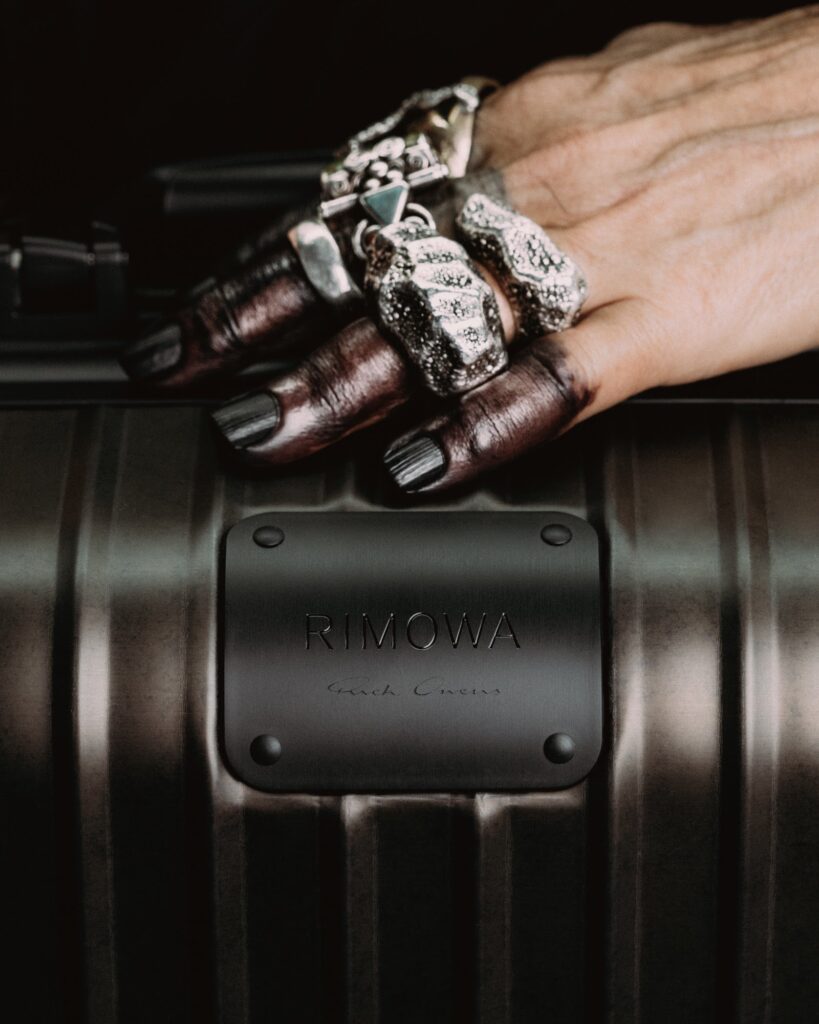
Courtesy of Rimowa
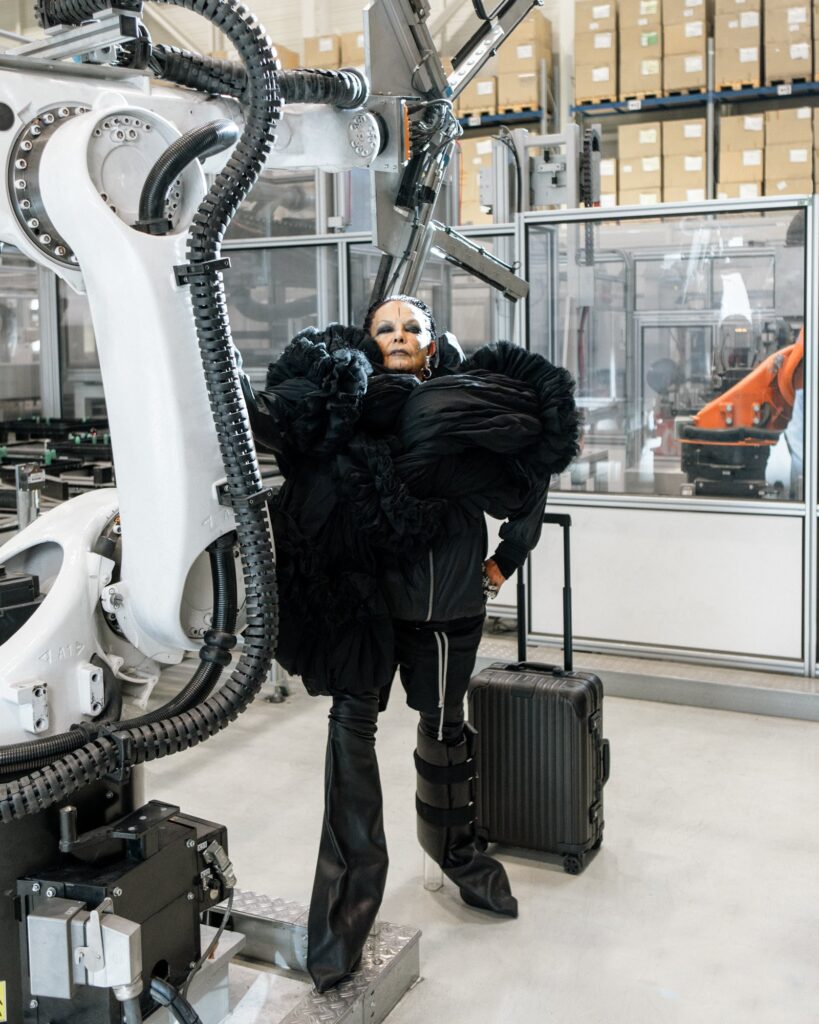
Courtesy of Rimowa
The future of brand communities
The case studies presented demonstrate that, at their best, artist–brand partnerships reveal artists as community architects and show how the brands that thrive are those that empower artists to create genuine cultural offering.
Looking ahead, as mass marketing loses influence and Gen Z reshapes the market with heightened sensitivity to price, inclusivity, and authenticity, the real opportunity for brands lies in cultivating emotionally resonant worlds and spaces where communities can flourish. As French collector Sylvain Levy observes—speaking of luxury, though his insight applies across sectors: “Luxury, if it wants to remain alive, must embrace this contradiction: heritage as open source, aura as dialogue. Not just about dressing celebrities, but about creating worlds where communities feel seen and heard.”
Words: Benedetta Ricci